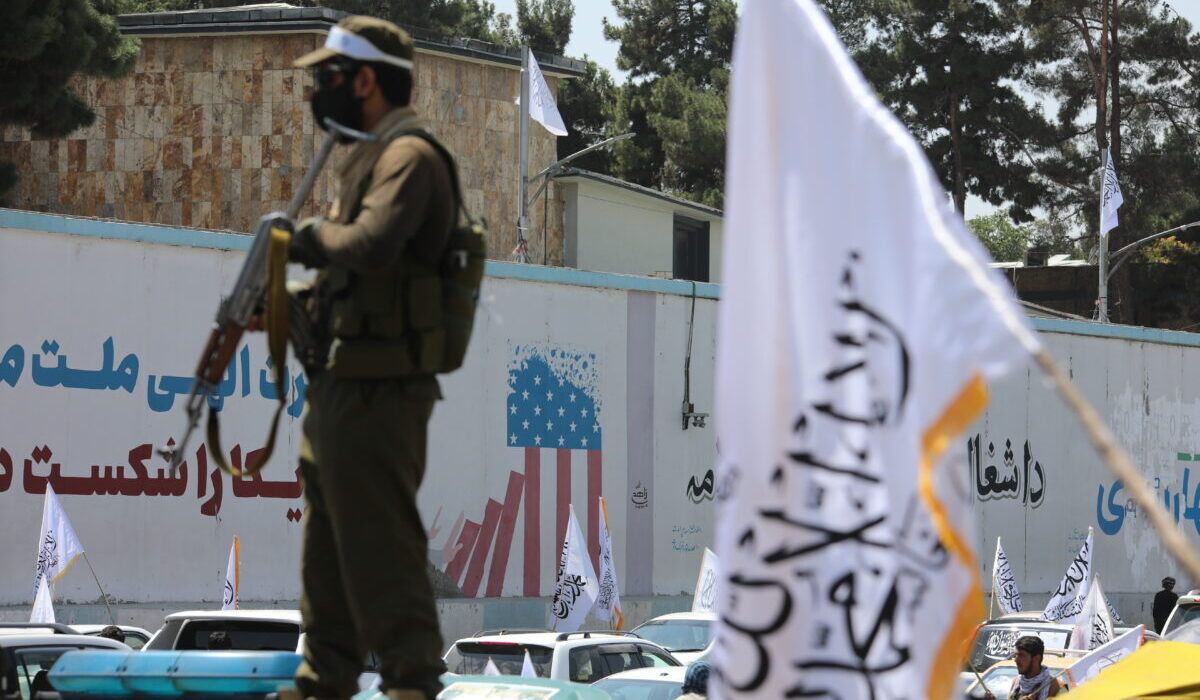
At least 31 people, including six women, were publicly flogged by the Taliban across several provinces over the past week, according to figures provided by the Taliban-run Supreme Court.
The floggings took place between May 31 and June 7 in Parwan, Kabul, Paktika, Laghman, Balkh, and Khost Provinces, where those punished were lashed in front of crowds ranging from local officials to neighborhood residents.
The court said individuals received between 10 and 39 lashes and, in many cases, were also sentenced to prison terms ranging from six months to four years.
In the most recent instance, 14 people — including one woman — were flogged publicly in Kabul, Parwan, Khost, and Paktika. The Taliban accused them of crimes including “running away from home,” “aiding fugitives,” theft, and the sale or trafficking of narcotics, including methamphetamine tablets, opium, and hashish.
Taliban did not release updated figures for the four-day Eid holiday, but the recent data highlights the continued use of corporal punishment by the Taliban’s judiciary. The sentences were reportedly carried out only after approval from the Taliban’s Supreme Court.
Since regaining power in 2021, the Taliban have flogged more than 1,000 people in public, including at least 160 women, often drawing international condemnation.
Human rights organizations and the United Nations have repeatedly called for an end to corporal punishment, calling it a violation of international human rights standards. However, the Taliban have shown no sign of reconsidering the practice.
Richard Bennett, the U.N. Special Rapporteur on the situation of human rights in Afghanistan, condemned the surge in public floggings. In a post on X, he wrote: “At least 63 men and 4 women were publicly flogged in Afghanistan last week by the de facto authorities. These brutal punishments, which violate international law, have sharply increased in 2025 and must end.”
He added that no asylum seeker should be forcibly returned to Afghanistan under current conditions.