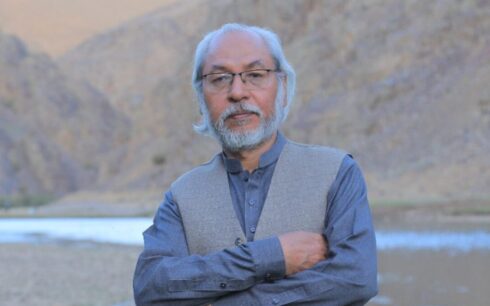
TOLOnews confirmed on Sunday that two of its journalists had been detained by Taliban in Kabul, amid growing concern over escalating restrictions on media in the country.
The broadcaster said Mansoor Niazi and Imran Danish had been in Taliban custody since last Thursday, adding that Taliban had not provided details about the reasons for their arrests.
Sources told Amu TV that Niazi was detained in Kabul’s Karte Char area west of Kabul. His whereabouts remain unknown, and relatives and colleagues say they have received no information about his condition.
Taliban have not publicly commented on the arrests.
The detentions are part of what media advocacy groups describe as a broader pattern of pressure and intimidation targeting journalists since the Taliban returned to power in 2021.
In the past week alone, at least three journalists have reportedly been detained by Taliban.
The Afghanistan Media Support Organization, an exiled media advocacy group led by Hamid Obaidi, said Ahmad Jawed Niazi, the director of Paigard News Agency, a local media outlet in Kabul, was also arrested last week at his office in Kabul.
Relatives of Jawed Niazi told the organization they had received no information about his whereabouts or legal status.
Media rights groups say at least seven journalists are currently being held in Taliban custody, including Bashir Hatef, Hamid Farhadi, Shakib Nazari and Abuzar Sarem.
Some media organizations say several of the detained journalists are serving prison sentences, though details about the charges and legal proceedings remain unclear.
Taliban have repeatedly said media activity is permitted within the framework of Islamic law and national interests. Journalists, however, say increasing censorship, restrictions and fear of detention have sharply narrowed the space for independent reporting.
In its latest World Press Freedom Index, Reporters Without Borders ranked Afghanistan 175th out of 180 countries.
The organization said Taliban restrictions, gender-based limitations and deteriorating security conditions had pushed media freedom in Afghanistan to what it described as a critical level.
According to the report, 43 percent of Afghanistan’s media outlets have ceased operations since the Taliban takeover, while many professional journalists have either fled the country or left the profession altogether.
Press freedom advocates warn that continued arrests and pressure on journalists are further eroding access to independent information in Afghanistan at a time of deep political and humanitarian crisis.