Food prices across Afghanistan remained broadly stable during the first week of May, but many staple commodities continue to cost significantly more than they did a year ago, according to a new market report released by the World Food Program on Friday.
The report said Afghanistan’s currency, the afghani, remained relatively stable at about 64.5 afghanis to the dollar, supported by domestic harvests and continued imports through western and northern trade corridors.
But despite that stability, households across the country continue to face mounting economic pressure from elevated food prices, weak employment opportunities and rising agricultural costs.
According to the report, the prices of several key staples remain sharply higher than at the same time last year. Wheat grain prices were up 20 percent year over year, while high-quality rice rose 44 percent and sugar climbed 31 percent. Cooking oil prices increased 8 percent compared with last year.
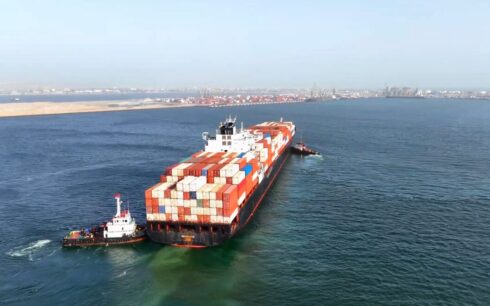
The World Food Program said national markets were generally functioning and commodity supplies remained available, though transportation costs and regional trade uncertainties continued to threaten market stability. Increased dependence on alternative trade routes has also exposed Afghanistan’s supply chains to geopolitical risks and localized price volatility, the report said.
Vegetable prices declined during the first week of May because of improved seasonal supply, with tomatoes falling 7.6 percent, potatoes 11.6 percent and onions 5 percent compared with the previous week.
Still, some vegetables remain significantly more expensive than a year ago. Potato prices were 51 percent higher than last year, while tomatoes rose 34 percent year over year.
The report also highlighted growing pressure on farmers.
Fertilizer prices remained relatively stable week to week, but on a yearly basis prices have surged sharply, with urea fertilizer up 43 percent and DAP fertilizer up 15 percent compared with last year.
Those increases are adding strain to agricultural production costs during the current cultivation season, the report said.
Fuel prices also remained elevated despite slight recent declines. Diesel prices fell 1 percent during the week but remained 12 percent higher than a year ago amid regional supply constraints and global energy pressures, the report says.
At the same time, labor conditions remain weak across much of the country.
The report found that casual labor availability rose slightly to 1.9 working days per week during the first week of May, an improvement from the previous week but still 20 percent below the same period last year.
Average wages for unskilled laborers stood at 303 Afghanis per day, while skilled workers earned about 654 Afghanis daily. But the report warned that employment opportunities remained limited and competition for jobs had intensified, partly because of increasing numbers of returning migrants.
The report says that the purchasing power of labor-dependent households also remained under pressure.
According to the report, the “terms of trade” for casual laborers — a measure of how much wheat flour a worker can buy with a day’s wage — remained 17 percent lower than last year and below the three-year average.
The World Food Program said persistently weak labor markets combined with rising food prices were reducing families’ ability to meet basic food needs.
The report comes as Afghanistan continues to grapple with economic crisis nearly five years after the Taliban returned to power.
International sanctions, declining foreign aid, banking restrictions and recurring climate shocks have contributed to widespread poverty and unemployment across the country. Humanitarian agencies estimate that millions of Afghans remain dependent on aid.
The report also pointed to sharp regional disparities in prices.
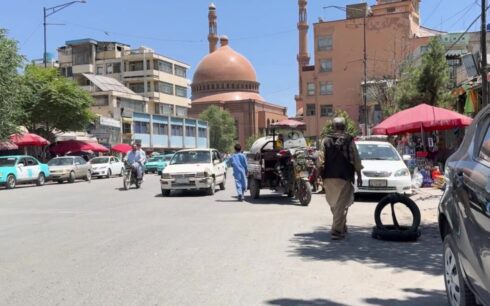
According to data included in the report, Kabul recorded the country’s highest wheat grain prices at 35 Afghanis per kilogram, while Farah Province had the lowest at 22 Afghanis. Nuristan recorded the highest prices for both sugar and diesel fuel, while Bamiyan had the lowest livestock prices for one-year-old female sheep.
The cost of the standard humanitarian food basket stood at 6,053 Afghanis during the first week of May, about 4.4 percent above the current transfer value used in aid programs, though not yet high enough to trigger an adjustment in food assistance levels under WFP guidelines.
Despite relatively stable exchange rates and improved supply flows, the report concluded that rising living costs and weak labor opportunities continue to leave many Afghan households economically vulnerable.