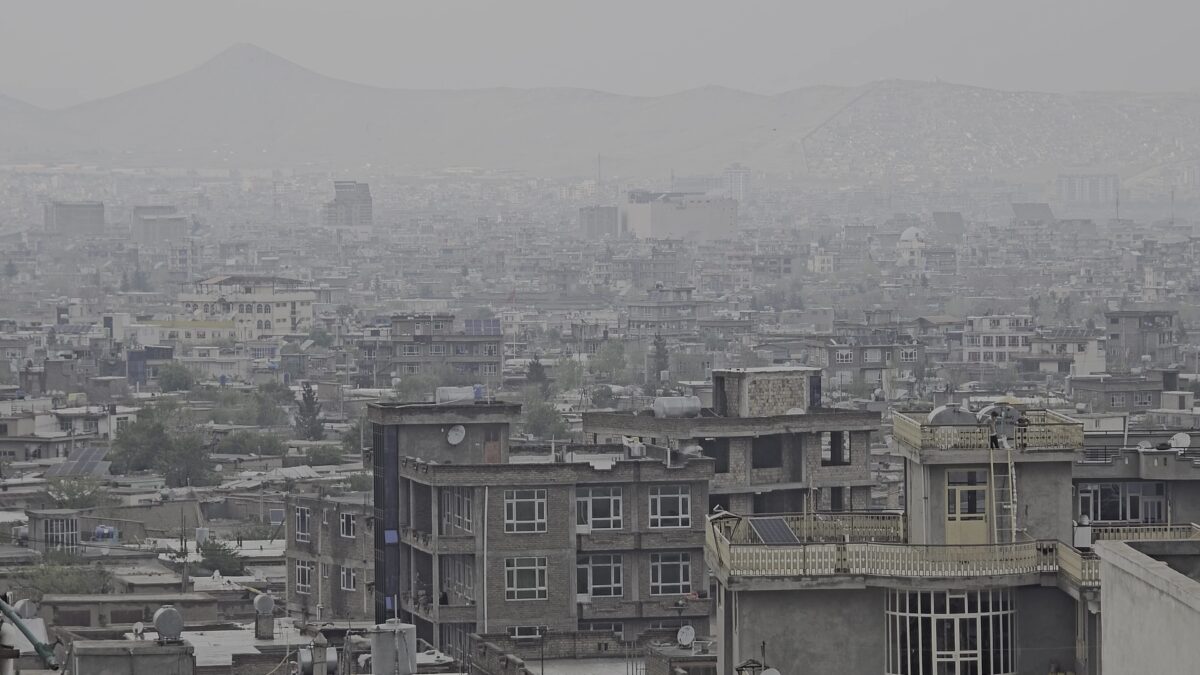
Residents of Kabul say housing rents across the capital city have risen sharply, placing growing financial pressure on families already struggling with economic hardship and unemployment.
Many tenants say monthly rents that once ranged between 7,000 and 8,000 Afghanis ($110 to $125) have climbed to between 12,000 and 15,000 Afghanis ($190 to $235), making affordable housing increasingly difficult to find.
“The price of rent has increased a lot,” said Ahmad, a Kabul resident. “Many of the migrants who have come to Kabul cannot afford to rent homes. Houses that used to cost 7,000 or 8,000 Afghanis now cost 12,000 to 15,000.”
Residents say the problem extends beyond rising prices. Finding suitable housing in Kabul has itself become a major challenge as demand continues to outpace available supply.
Property agents in the city confirmed the increase in rents and pointed to several contributing factors, including restrictions on construction, urban planning disputes and population growth linked to migration into the capital.
“There are several problems,” said Mohammad Reza, a real estate broker in Kabul. “One issue is road planning, another is the restrictions on construction permits, and the third is population growth because of people coming to Kabul.”
The housing pressure comes as Afghanistan continues to experience economic instability following the Taliban takeover in 2021. The country has faced rising unemployment, declining international aid and internal displacement, factors that have intensified pressure on urban housing markets.
Kabul has seen a steady influx of returning migrants and families relocating from other provinces, further straining already limited housing availability.
Taliban have repeatedly warned landlords not to increase rents by more than 10 percent, but residents and property agents say those restrictions have not been effectively enforced. Rents, they say, continue to rise steadily.
At the same time, construction of new housing in Kabul has slowed significantly because of permit restrictions and broader uncertainty in the construction sector, limiting the supply of new homes entering the market.
Some Kabul residents are now calling on Taliban to ease construction restrictions and allow more residential development in an effort to stabilize prices.
For many families, however, the rising cost of housing has become another burden in a city where daily living expenses continue to climb faster than incomes.