In a statement on World Press Freedom Day, Human Rights Watch warned of a growing global crackdown on press freedom, saying journalists continue to face repression, prosecution and violence for doing their work.
The watchdog said efforts to curb free speech are increasing worldwide.
“Journalism is not a crime. Governments should take note,” Human Rights Watch said.
The organization pointed to cases ranging from attacks on journalists in Yemen to the conviction of publisher Jimmy Lai in Hong Kong as examples of what it described as mounting pressure on independent media.
The warning comes as international organizations raise concerns about censorship, misinformation and threats against journalists.
The United Nations has said manipulation of information fuels division and erodes trust, while UNESCO has stressed that access to free and reliable information is essential for accountability and human rights.
The UN special rapporteur, Richard Bennett, has also called for the immediate and unconditional release of detained journalists in Afghanistan, saying free media is critical for peaceful societies.
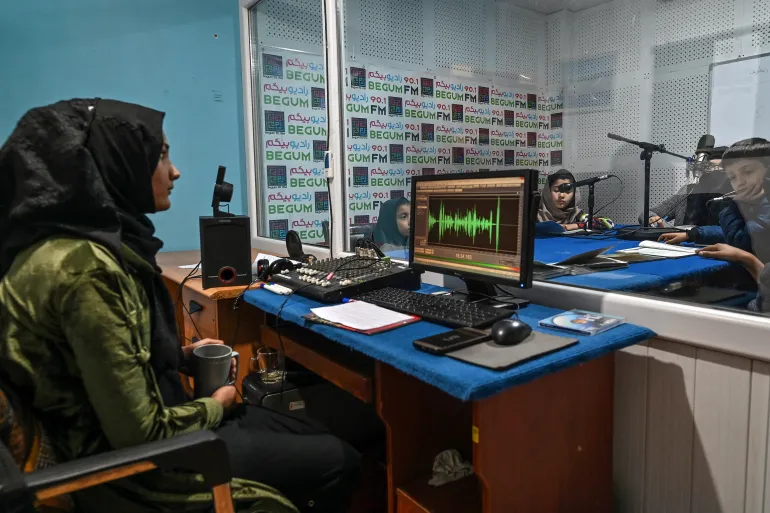
Press freedom has sharply declined in Afghanistan since the Taliban returned to power in 2021, according to media watchdogs.
Data from the Afghanistan Journalists Center shows at least 150 press freedom violations over the past year, including threats, detentions and closures of media outlets. At least four journalists — Bashir Hatef, Shakib Nazari, Hamid Farhadi and Abuzar Sarem — remain in Taliban custody, according to advocacy groups.
Residents say the restrictions are increasingly affecting daily life.
“There is no freedom of expression or media in Afghanistan,” said Setara, a Kabul resident. “This is a shared concern. Freedom of speech should be strengthened so people can know what is happening in the country.”
Another resident, Abbas from Bamiyan, said access to independent information is essential. “Every citizen has the right to freedom of expression and unbiased information. Without free media, people cannot understand the realities of society,” he said.
“We don’t have the right to speak or criticize,” said Sakina, another Kabul resident. “Even our basic choices are restricted.”
Zahra Hashemi, also a Kabul resident, said freedom of expression is key to public awareness and human rights. “This right should not be taken away from anyone,” she said.
Human Rights Watch said it will continue to speak out against repression of free speech worldwide and urged governments to uphold their obligations to protect journalists.