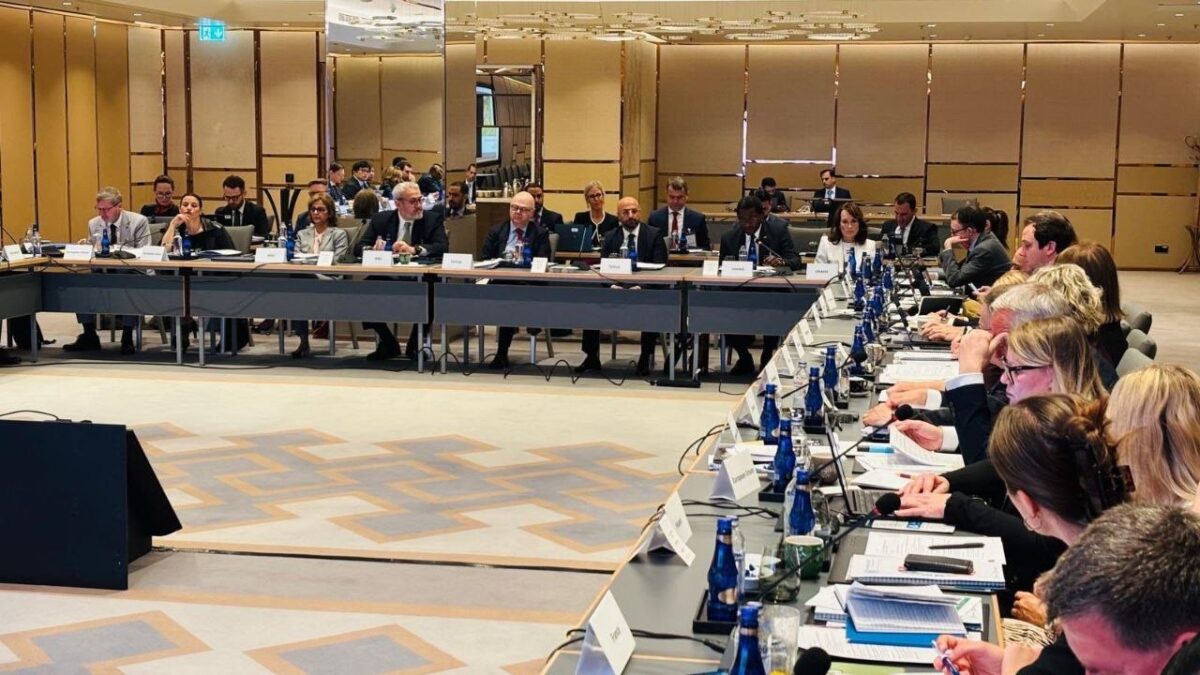
Afghanistan remains at a “critical juncture” and requires urgent, coordinated international action to address humanitarian and economic challenges, Tariq Ali Bakhita, the Organization of Islamic Cooperation’s special envoy, said.
Bakhit made the remarks during a meeting of the Afghanistan Coordination Group held in Istanbul from April 28 to 30, which brought together international and regional stakeholders to discuss developments in Afghanistan and coordinate responses to the crisis.
Bakhit said Afghanistan requires sustained international attention at a time when global crises and limited resources are competing for aid and focus. He called for practical and immediate measures to stabilize the situation and reduce human suffering.
He stressed the need to maintain humanitarian assistance, particularly in food security, health care and basic services, and emphasized ensuring access to aid across all parts of the country.
The envoy also called for a gradual and coordinated easing of restrictions on banking channels to support humanitarian operations and economic activity.
He highlighted the importance of creating economic opportunities and alternative livelihoods to help households and prevent further economic decline, including as part of efforts to address narcotics-related challenges.
Bakhit pointed to the role of partner institutions, including the Islamic Development Bank, the Islamic Organization for Food Security and the King Salman Humanitarian Aid and Relief Center, in supporting humanitarian and early recovery programs.
He reiterated the OIC’s commitment to continued engagement through multilateral platforms such as the Afghanistan Coordination Group, saying the organization is working with international partners to support gradual progress.
Bakhit said the OIC remains ready to work with stakeholders to promote stability, uphold human dignity and support Afghanistan’s recovery.