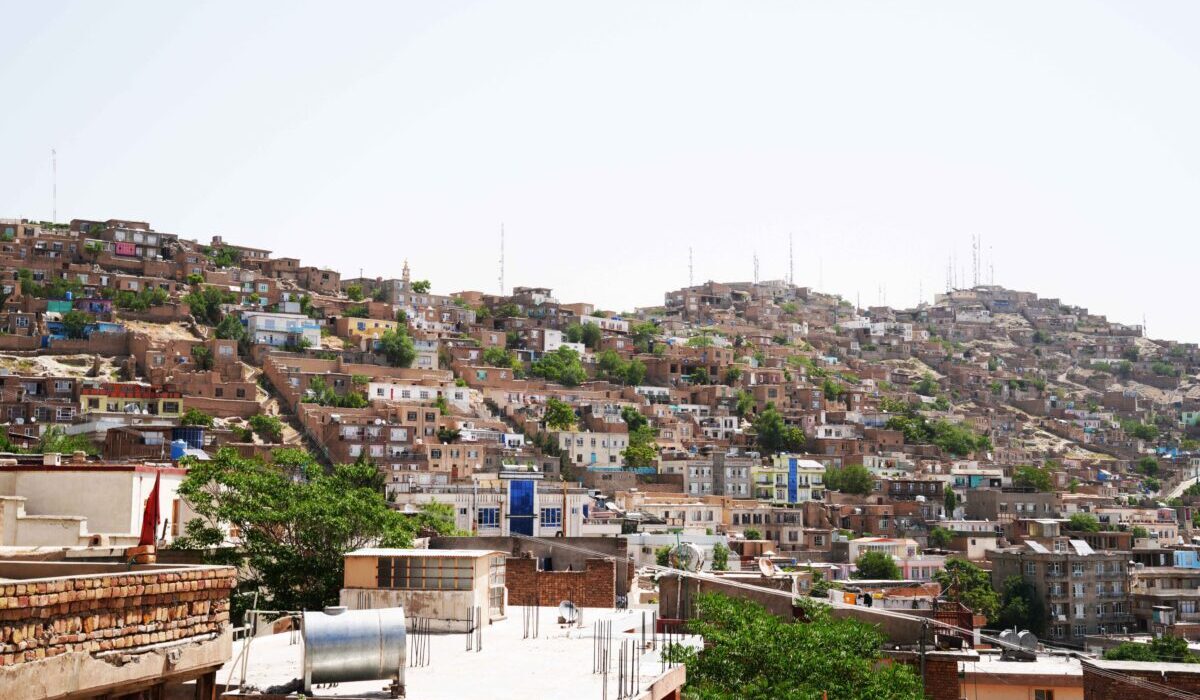
A new directive from the Taliban’s chief minister allows citizens to build homes in Kabul and other provinces with approval from local mosque imams and community figures, a move that comes amidst a rise in house rents, particularly in the capital city.
The order, issued by Mohammad Hassan Akhund, permits construction if applicants present a combination of documents — including a religious deed, tax receipt or informal property record — verified by a mosque imam, two neighbors and a local representative.
The directive applies nationwide and introduces a simplified process for construction in both planned and unplanned areas.
In cities with existing but unimplemented urban plans, construction may proceed after local verification, provided applicants meet documentation requirements, including proof of ownership and community endorsement.
Applicants must also submit a written commitment that their buildings will not obstruct future urban development plans. Construction is limited primarily to residential use, generally allowing up to three housing units per plot.
Municipal authorities and land agencies have been instructed to identify and map prohibited areas within one month. These include flood-prone zones, road corridors, historical sites and other restricted areas where construction will not be permitted.
In areas without formal urban planning, construction may proceed under similar conditions, provided ownership is verified through religious and customary documentation and approved by local authorities.
The directive also instructs the Interior Ministry to ensure that security forces do not interfere with construction activities without coordination with municipal authorities.
The order comes as Afghanistan faces mounting pressure on housing, driven by economic hardship, internal displacement and the return of migrants from neighboring countries.
While the Taliban have presented the policy as a step toward addressing shelter needs and regulating informal construction, its reliance on local and religious verification mechanisms marks a shift away from standardized urban planning practices.