A group of journalists in exile has launched a campaign calling for the unconditional release of three journalists detained by Taliban, amid rising concern over press freedom in the country.
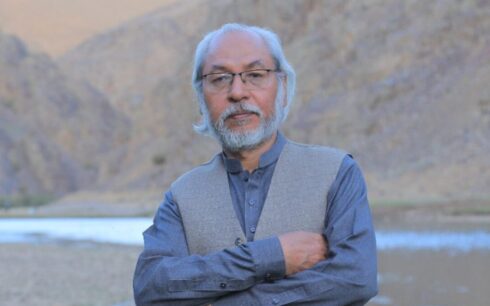
The campaign seeks the release of Shakib Nazari, Hamid Farhadi and Bashir Hatef, who have been arrested and imprisoned in separate cases.
Taliban courts have sentenced Nazari to three years in prison on charges of “cooperating with a Japanese media outlet,” and Farhadi to two years for alleged cooperation with the independent newspaper Etilaat Roz. Bashir Hatef’s case remains less clearly documented.
According to sources familiar with the matter, Farhadi was transferred to Bagram prison after his sentencing, a facility that previously held individuals accused of terrorism-related offenses during the US military presence in Afghanistan.
The campaign comes as restrictions on journalists and media organizations have intensified under Taliban rule. Another journalist, Abuzar Sarem Sar-e-Puli, who was head of few media organizations, is also under Taliban custody, according to sources. Sarem was arrested in July 2025 by the Taliban. According to a Taliban statement, he was the head of organizations known as “Afghanistan Media,” “Tawana News Agency” and the “Afghan Women Journalists Organization.” Taliban said they arrested him on charges of links to “foreign intelligence” and “moral corruption”.
The Afghanistan Journalists Center reported that at least 207 cases of media rights violations and violence against journalists were recorded in the past solar year, which ended in March. Those incidents included two killings, one injury and 183 cases of threats, among them 21 arrests of journalists and media workers.
The group said Taliban have tightened control over the media, with repression and censorship reaching what it described as unprecedented levels.
Among the most significant measures has been the expansion of bans on broadcasting images of living beings, a restriction that has spread from a handful of provinces to at least 18. As a result, at least 21 local TV stations have either shut down or converted into radio operations.
In addition, eight media outlets and journalism organizations have been forced to cease operation, and the licenses of at least 10 others have been revoked for failing to comply with Taliban media policies.
The Afghanistan Journalists Center said violations of media freedom increased by more than 20 percent compared with the previous year, reflecting a broader trend of shrinking space for independent journalism.
Advocates behind the campaign say the detention of journalists, combined with sweeping restrictions on media content, has created an increasingly hostile environment for reporting in Afghanistan.