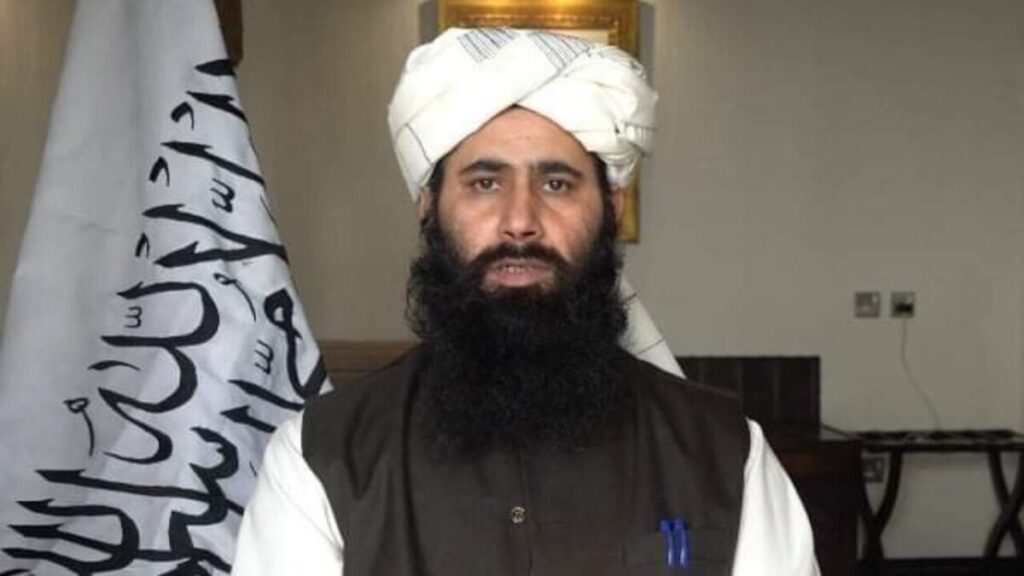
The Taliban deputy foreign minister, Mohammad Naeem Wardak, has said that talks with Pakistan in China ended without result because of Islamabad’s ‘illogical stance’ and its insistence on addressing its internal security concerns, underscoring persistent divisions despite a week of negotiations.
Wardak said Pakistan’s position during the talks in Urumqi was “unreasonable” and prevented progress.
“Pakistan wants to shift its internal security issues to Afghanistan and evade its responsibilities toward its own people and country,” he said in a statement posted on X.
The comments reflect a sharper tone from the Taliban after the talks, which concluded on Wednesday, April 7, without a clear agreement, despite earlier statements from both sides describing the discussions as constructive.
Conflicting narratives
The Taliban’s Foreign Ministry said on Wednesday that the talks were marked by “constructive discussions” and expressed hope they would help build trust and improve cooperation.
China, which hosted the talks, also said both sides had agreed to work toward easing tensions and to avoid actions that could escalate the situation.
Lin Jian, a spokesman for China’s Foreign Ministry, said delegations from the Taliban and Pakistan — including officials from diplomatic, defense and security institutions — met from April 1 to 7 and agreed to continue engagement under what Beijing described as the “Urumqi process.”
But Wardak’s remarks suggest that key differences remain unresolved, particularly over security issues.
Pakistan has long accused the Taliban of allowing militant groups, including Tehrik-i-Taliban Pakistan, to operate from Afghanistan’s territory — a claim the Taliban deny. A United Nations monitoring team has estimated that the group has around 6,000 fighters based in Afghanistan.
Pakistani officials have pressed the Taliban to take action against such groups, making the issue central to the talks.
The Taliban, however, have rejected those demands, framing them as an attempt by Pakistan to externalize its domestic security challenges.
The talks took place against the backdrop of escalating clashes that began in late February, including airstrikes and artillery exchanges along the Afghanistan-Pakistan border.
Taliban have said that hundreds of civilians have been killed in recent strikes, while United Nations agencies have reported large-scale displacement, with tens of thousands forced from their homes.
Despite the talks, reports of shelling and sporadic violence have continued in some areas.
While both sides have signaled a willingness to continue dialogue, the negotiations in Urumqi appear to have yielded little more than a commitment to further engagement, leaving core disputes unresolved.
China said it would continue to facilitate communication between the Taliban and Pakistan as efforts to stabilize relations continue.