United Nations human rights experts on Tuesday called on Pakistan and Taliban to agree to a new ceasefire and pursue a lasting peace agreement, citing rising civilian casualties and displacement after weeks of cross-border fighting.
In a statement issued in Geneva, the experts said at least 289 civilians in Afghanistan had been killed or injured since Feb. 26, including 76 deaths, and more than 115,000 people had been displaced. Civilian infrastructure — including homes, medical facilities, markets and sites for displaced people — has been damaged, they said, while schools and border crossings have closed and trade has been disrupted.
“We urge Pakistan and the de facto Afghan authorities to commit to a permanent cease-fire, resolve the root causes of conflict, and ensure accountability for violations of international law,” the experts said.
The latest violence follows the collapse of a ceasefire reached in October 2025. The current round of hostilities began after Pakistani airstrikes on camps linked to Tehreek-e-Taliban Pakistan, or TTP, on Feb. 21 and 22. Taliban responded with cross-border attacks on Feb. 26, followed by a broader Pakistani offensive a day later targeting Kabul, Kandahar and other locations, according to the statement.
Pakistan has said its operations were a response to what it described as Taliban support for the TTP, a militant group under United Nations sanctions. Taliban have denied those allegations.
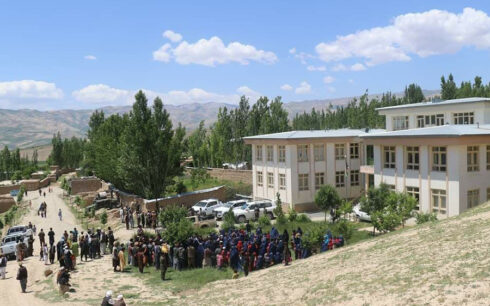
The experts also raised concern about a March 16 Pakistani airstrike that struck a rehabilitation facility in Afghanistan, which they said likely killed and injured hundreds of people. They condemned the attack and expressed condolences to victims’ families.
At the same time, they cited civilian casualties inside Pakistan from attacks attributed to Taliban fighters, as well as displacement and school closures there.
The experts called on all parties to respect international humanitarian and human rights law, including the protection of civilians, and to conduct prompt, independent and transparent investigations into alleged violations. They urged accountability for perpetrators and remedies for victims.
In unusually direct language, the experts said Pakistan’s cross-border strikes could violate international law. “Pakistan’s attack on Afghanistan violates the prohibition on the use of force” under the United Nations Charter, they said, adding that a claim of self-defense would require evidence that Taliban had directed or controlled attacks inside Pakistan.
They said Pakistan had not presented such evidence publicly or formally notified the United Nations Security Council of a self-defense claim, as required.
“All authorities, including the Taliban, must diligently prevent terrorist groups like the TTP from threatening the human right to life,” the experts said.
They added that while states have a duty to protect their populations from terrorism, any use of force must comply with international law, and disputes that threaten international security should be resolved through peaceful means.
The group of independent experts, appointed by the United Nations Human Rights Council, including Richard Bennett, the UN special rapporteur for Afghanistan, said they had been in contact with both the Pakistani government and Taliban on the issue.