This year’s March 8, for millions of women around the world, is not merely a day of flowers and symbolic messages; rather, it is a moment to revisit a bitter yet inspiring truth: in many countries women are still fighting for their most basic human rights.
In our region—especially in Afghanistan and Iran—this day has taken on the color of protest, demands and resistance more than ever before. What distinguishes this year from previous ones is that women’s voices are rising not only for equality, but for survival, education, work and social participation.
In Iran, despite widespread repression and executions, authorities have been unable to prevent the strong presence of the “Mahsa movement.”
March 8 has its roots in women’s labor movements of the early twentieth century, when women took to the streets demanding the right to vote, equal pay and fair working conditions.
Today, however, in some countries women are even deprived of the right to secondary and university education. This historical regression has changed the meaning of this day from a symbolic celebration into a global call for urgent action.
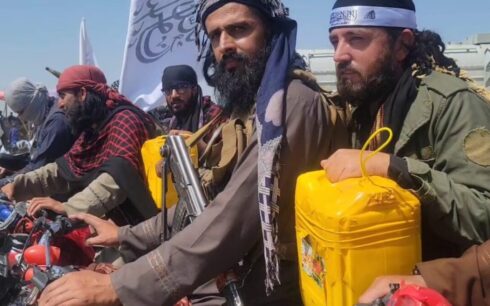
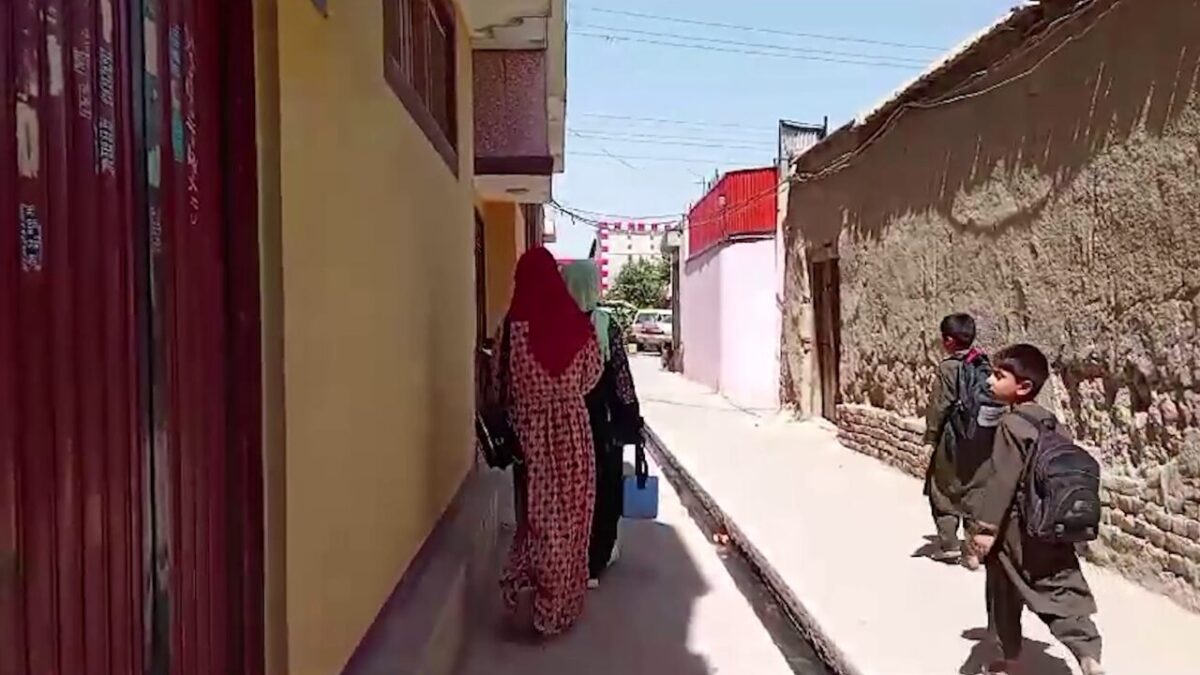
In past years in Afghanistan, March 8 was often marked by official slogans and diplomatic gatherings. But after the Taliban’s return to power, the dominant narrative has become the story of women who, despite threats, arrests, poverty and social isolation, continue to stand firm. The situation of Afghan women is a striking example of these changes—where the denial of education and work is no longer a temporary policy but has become structural and systematic.
For women living within discriminatory systems, this situation is a reminder that women’s rights cannot be separated from democracy, social justice and freedom of expression.
Simone de Beauvoir wrote: “One is not born, but rather becomes, a woman.”
In the context of today’s Afghanistan, this sentence shows that the restrictions imposed on women are not divine destiny but the product of social and political structures—structures that can and must be changed. Changing any authoritarian regime, whether in Kabul or Tehran, requires the conscious participation of women, not war or foreign intervention.
Reports by international organizations show that excluding women from the economy has direct consequences for poverty, health and development.
A country that excludes half of its population from education and work effectively paralyzes its own capacity for development.
Yet historical experience shows that the exclusion of women does not endure. The greater the pressure, the more new forms of resistance emerge—from home-based and online education to solidarity networks in exile.
This year’s March 8, more than any year before, requires moving beyond emotion and toward strategy: documenting violations of women’s rights, connecting domestic movements with international networks, strengthening informal and digital education, applying legal pressure through international institutions, and building sustained unity between the women and men of our nation.
For Afghanistan, the role of women in the country’s future is not a marginal demand but a prerequisite for stability and development.
Women who today struggle for the right to education and work are in fact fighting for the country’s political and economic future as well.
This year’s March 8 is a day when the world must ask itself: Is gender equality merely a slogan, or a real commitment? And for the women who stand in the darkest conditions, this day is a reminder of a simple but powerful truth: history has shown that the voices of women, even when suppressed, cannot be silenced.
Lima Samimi is an activist based in Afghanistan. She holds a degree in journalism and lost her job after the Taliban returned to power. She is currently at home.
The writings published in this section do not necessarily reflect the views of Amu TV.