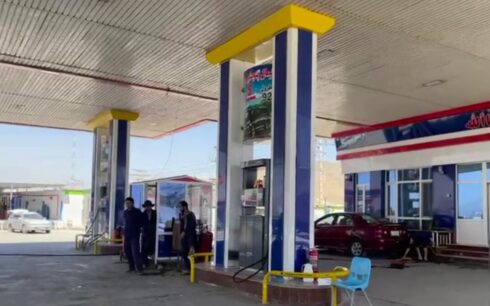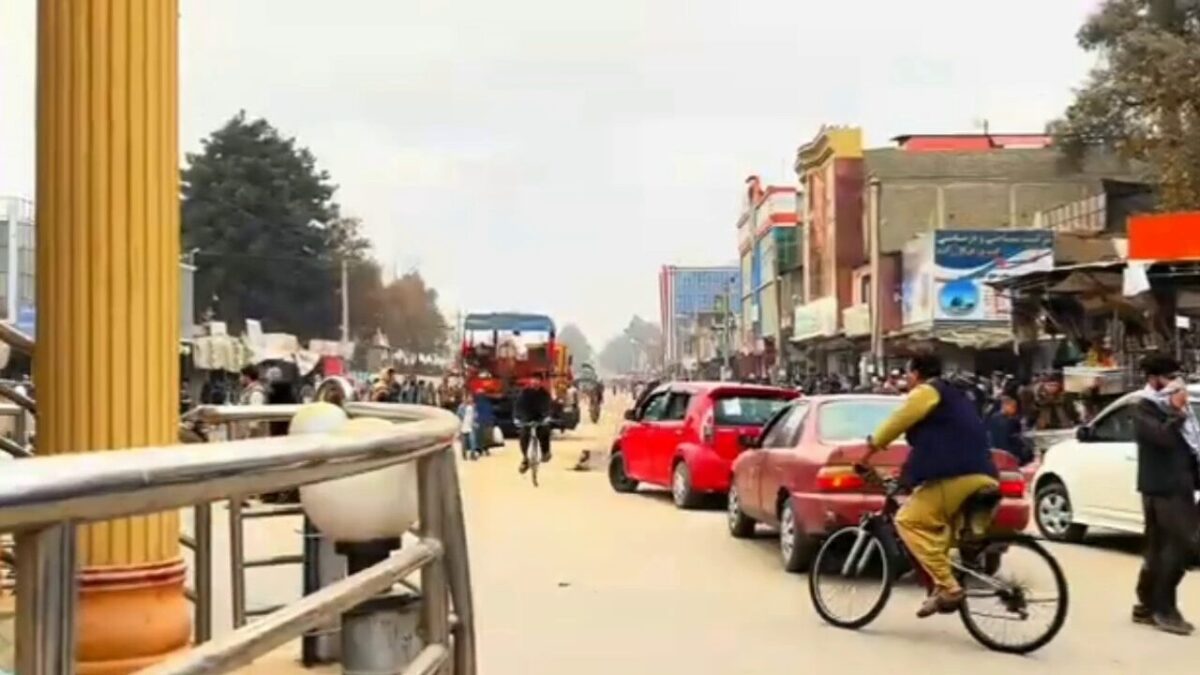
Shopkeepers in the north-eastern city of Taloqan say Taliban have sharply increased taxes despite a prolonged economic slowdown, forcing some small businesses to close.
Residents in Taloqan, the center of Takhar province, said tax assessments had in some cases tripled compared with previous years, even as sales declined and household purchasing power weakened.
Taliban authorities did not respond to requests for comment.
Several shopkeepers told Amu TV they were struggling to meet the new tax demands and had received little in return in terms of public services.
“They came and said they would take five percent tax,” said Aminullah, a shopkeeper in Taloqan who gave only one name. “In 50 days they calculated 45,000 afghanis ($703) in tax. I cannot even pay 5,000, not even 2,000. We are being pressured and have no choice but to leave our work.”
Local residents said small businesses were being asked to pay up to 10,000 afghanis, equivalent to about $156.
“They say, ‘Pay 10,500 afghanis in tax.’ There are no sales and no livelihood,” said Saifullah, another resident, referring to a demand equal to about $164. “People are complaining of poverty, yet the taxes remain high.”
Others said the tax burden had risen compared with the period before the Taliban returned to power in August 2021.
“In previous years the taxes were much lower,” said Abdullah, a Taloqan shopkeeper. “Now there are no sales and prices have gone up, but taxes have also increased.”
Afghanistan’s economy has struggled since 2021, when foreign aid — which had financed much of the previous government’s spending — was cut and international banking restrictions were imposed. The country has faced high unemployment, reduced liquidity and declining purchasing power.
Some shopkeepers said they had already closed their businesses or were considering doing so if tax levels were not reduced.
Residents said they hoped relevant institutions would review the tax policy and provide relief to small businesses, warning that continued pressure could further weaken already fragile local markets.