The Afghanistan Journalists Center (AFJC) said on Friday that restrictions on radio stations have sharply increased over the past year, with at least two local stations threatened and staff from two others detained.
In a statement marking World Radio Day, the Afghanistan Journalists Center (AFJC) said Taliban authorities had issued at least 24 media-related directives over the past four years that directly affected radio operations.
Over the past 12 months, some radio stations have been threatened or shut down, and several radio journalists have been summoned or jailed, the group said.
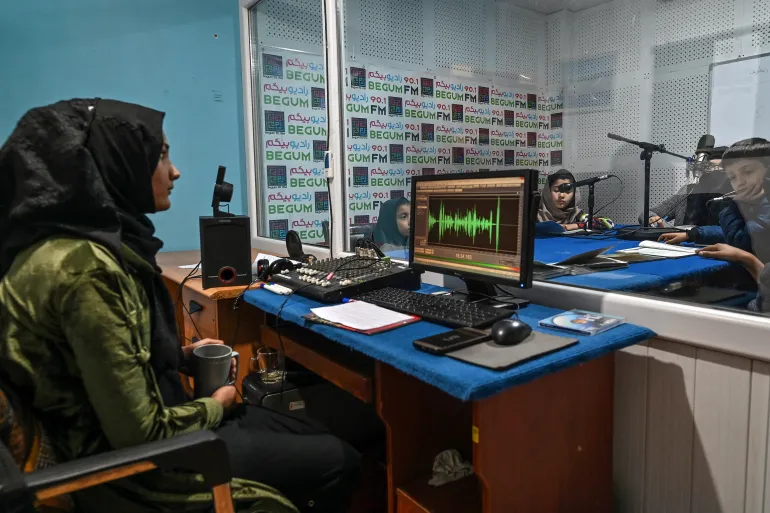
According to the statement, at least two local women-focused radio stations received direct threats that they could be barred from operating. Two other stations were closed after airing programmes deemed unacceptable by local authorities, with their staff detained. The manager of one station was arrested over social and economic reporting and spent three months in prison, it added.
The group said some reporters had also been detained for working during the Islamic call to prayer, publishing images of women in written and online reports, or for having beards considered too short.
AFJC said managers and journalists who ignored the directives faced threats or imprisonment, while media outlets were subject to punitive measures including suspension and seizure.
Among the restrictions cited were bans on women working in state-run media, gender segregation in newsrooms, prohibitions on women interviewing men and vice versa, mandatory dress codes, tighter limits on women attending press conferences or conducting field reporting, and bans in some provinces on broadcasting women’s voices in advertisements, announcements or phone-in programmes.
The group also said Taliban authorities had created obstacles in renewing broadcasting licences, particularly for stations owned or managed by women, who faced pressure to appoint male managers.
At the same time, advertising revenues – a key source of funding for radio stations – have declined sharply, while taxes on radio operations have increased, it said.
In addition, findings by the Afghanistan Journalists Union show that 394 radio stations with 2,956 employees are operating across the country.
“Currently, 394 radio stations with 2,956 employees are operating nationwide. Unfortunately, most of them, especially in local media outlets, work on a voluntary basis and without regular salaries,” head of the union, Hojatullah Mujaddedi, said.
Despite the growth of internet access and social media, radio remains one of the most accessible and widely consumed media platforms in Afghanistan, the center said, estimating that around 200 stations currently operate nationwide, broadcasting full-time, part-time or for several hours a day.