The office of the Taliban’s deputy chief minister for economic affairs on Tuesday informed of approving a “National Policy for the Development of the Agriculture and Livestock Sector”, along with a plan to expand the fisheries sector, with both measures forwarded to Taliban leader Hibatullah Akhundzada for final approval.
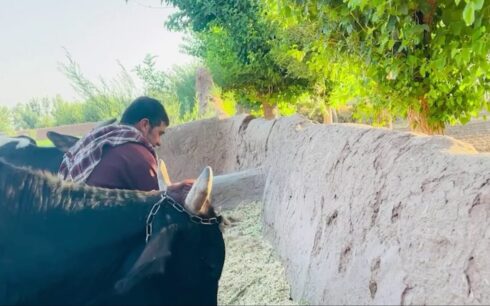
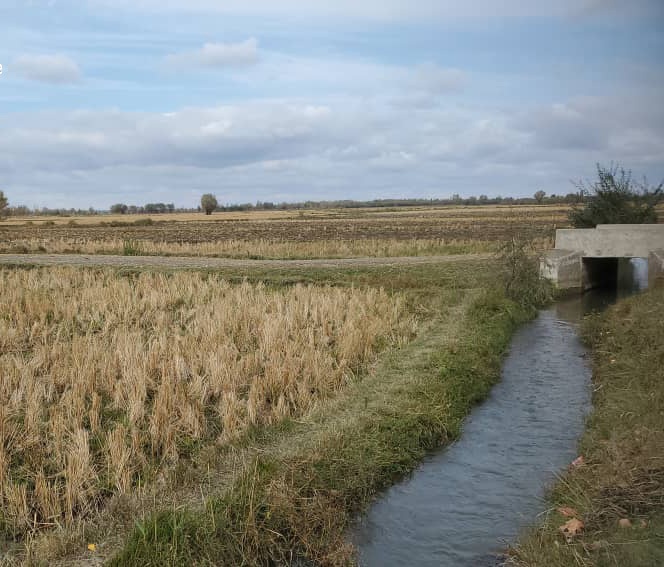
According to the statement, the agriculture and livestock policy focuses on mechanizing the sector, expanding research and extension systems, developing irrigation, improving water resource management and supporting private investment.
Improving public access to high-quality agricultural and animal products was also cited as one of the policy’s main objectives.
The Taliban’s Economic Commission also approved a development plan for the fisheries sector.
Under the plan, around 7,700 small, medium and large fish farms will be established on about 6,500 hectares of land across different parts of the country through private sector investment.
The Taliban said implementation of the plan could create direct employment for around 50,000 people and indirect jobs for up to 250,000 others.
Agriculture remains the backbone of Afghanistan’s economy, with a large share of the population dependent on the sector. However, it has been badly affected in recent years by decades of conflict, climate-related shocks including droughts and floods, and a sharp reduction in international assistance since the Taliban returned to power in 2021.
Aid agencies have repeatedly warned that chronic underinvestment, combined with rising food insecurity, has left millions of people dependent on humanitarian aid. The United Nations says about three-quarters of Afghanistan’s population faces livelihood insecurity, while early warning systems have cautioned that parts of the country could reach emergency levels of hunger during the winter season.