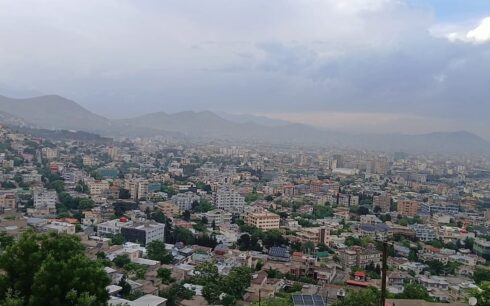
Air pollution in Afghanistan’s capital, Kabul, remains severe despite recent snowfall, with residents and experts warning that widespread use of low-quality fuels, rising vehicle emissions and weak regulation are putting thousands of people’s health at risk, particularly children.
Residents said that heavy winter smog continues to blanket the city even after several days of snow, which typically helps reduce pollution levels. Many households, struggling with poverty and limited access to cleaner energy, rely on coal, low-grade fuel and other polluting materials to heat their homes.
“The air is polluted,” said Farid, a Kabul resident. “People burn coal, vehicles produce smoke, and bathhouses burn tyres and other materials. All of this pollutes the air.”
Others said the authorities had failed to take effective steps to curb pollution, despite growing public concern. “The air has become extremely polluted,” said Fuad, another resident. “Even mosques have warned people about burning coal and other fuels, but no real action has been taken. Many people are getting sick because of this pollution.”
Environmental specialists say Kabul’s air quality crisis is driven by a combination of unregulated urban growth, outdated transport systems and the lack of green spaces. Najibullah Sadid, an environmental expert, said meaningful improvement would require long-term urban planning and government intervention.
“Serious work is needed on urban management,” Sadid said. “Public transport must be improved, population growth in Kabul needs to be controlled, and green spaces must be expanded. Together, these measures could significantly improve air quality.”
Kabul, home to more than six million people, regularly ranks among the world’s most polluted cities during winter. Cold temperatures trap emissions close to the ground, while electricity shortages and high fuel prices force many residents to burn coal, wood, plastic and tyres for heating.
Health workers warn that prolonged exposure to polluted air increases the risk of respiratory and cardiovascular diseases, with children and the elderly particularly vulnerable. Despite these risks, residents say economic hardship leaves them with few alternatives.
Experts say that without investment in cleaner energy, public transport and environmental regulation, air pollution will continue to pose a serious threat to public health in the capital.