Migrants returning from neighbouring countries say they are struggling to survive months after their return, citing a lack of basic assistance, shelter and job opportunities, as deportations from Pakistan and Iran continue to increase.
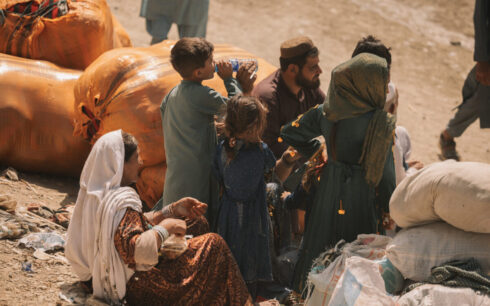
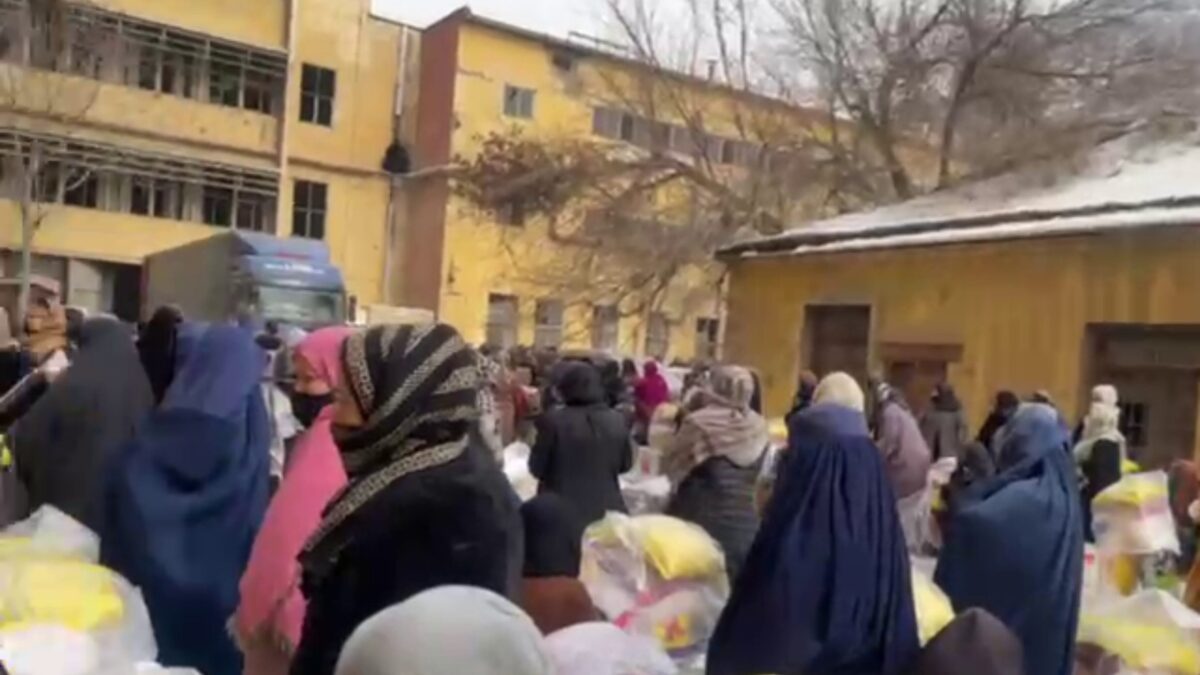
At Kabul’s central silo area, where some returnees gather in the hope of receiving emergency aid, migrants said support promised upon their return has yet to materialise for many families.
“We were deported from Iran after living there for almost four and a half years,” said Ahmad, a returnee now in Kabul. “Now that we are back, there is no work and no housing. Our request from the government is to help us.”
Others said limited assistance that has been distributed falls far short of covering basic needs, leaving families exposed to poverty and insecurity.
Shar Agha, who returned from Iran five months ago with his family, said repeated attempts to seek support had failed.
“We applied in Kabul and went to many offices, but no help has been given,” he said. “I have a three-wheeled motorbike bought on credit and try to earn with it. Some days there is work, some days there isn’t.”
Khairuddin, another returnee, said he had been unemployed for six months since returning. “There is no work, no income. The economic situation is very bad,” he said.
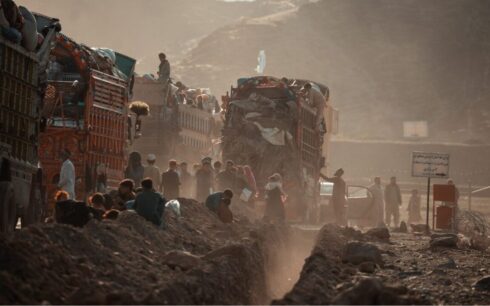
The complaints come as Afghanistan faces a sharp rise in forced returns from neighbouring countries. Migrants in Pakistan say arrests and deportations have intensified in recent weeks, adding that journalists, human rights activists and Afghans awaiting relocation to third countries are among those being expelled.
Some migrants in Pakistan said they fear security threats if they are returned to Afghanistan, particularly those previously linked to media organisations or civil society.
According to data compiled from statements by the Taliban-run High Commission for Migrant Affairs, Pakistan expelled about 12,000 migrants over the past week, following the deportation of more than 16,000 people the previous week. At the same time, hundreds of Afghans were also deported from Iran.
The United Nations has said Afghanistan saw about 2.6 million returnees in 2025 alone, warning that mass returns are placing severe pressure on the country’s limited resources, aid capacity and labour market.
Afghanistan’s economy has been under strain since the Taliban returned to power in August 2021, when most international development aid was cut and unemployment surged. Aid agencies say funding shortages have further limited their ability to support returnees, leaving many families without adequate shelter, income or access to basic services.
Humanitarian groups have repeatedly warned that continued large-scale deportations risk deepening poverty and instability in Afghanistan, particularly during winter, as returnees struggle to rebuild their lives with little support.