The Food and Agriculture Organization and the Asian Development Bank are rolling out a $100 million initiative to strengthen food and nutrition security and restore agricultural livelihoods for more than one million vulnerable people in Afghanistan, the FAO said.
The two-year project aims to support about 151,000 households, or roughly 1.06 million people, including returnees from Pakistan and Iran, host communities, and families affected by recent earthquakes and floods.
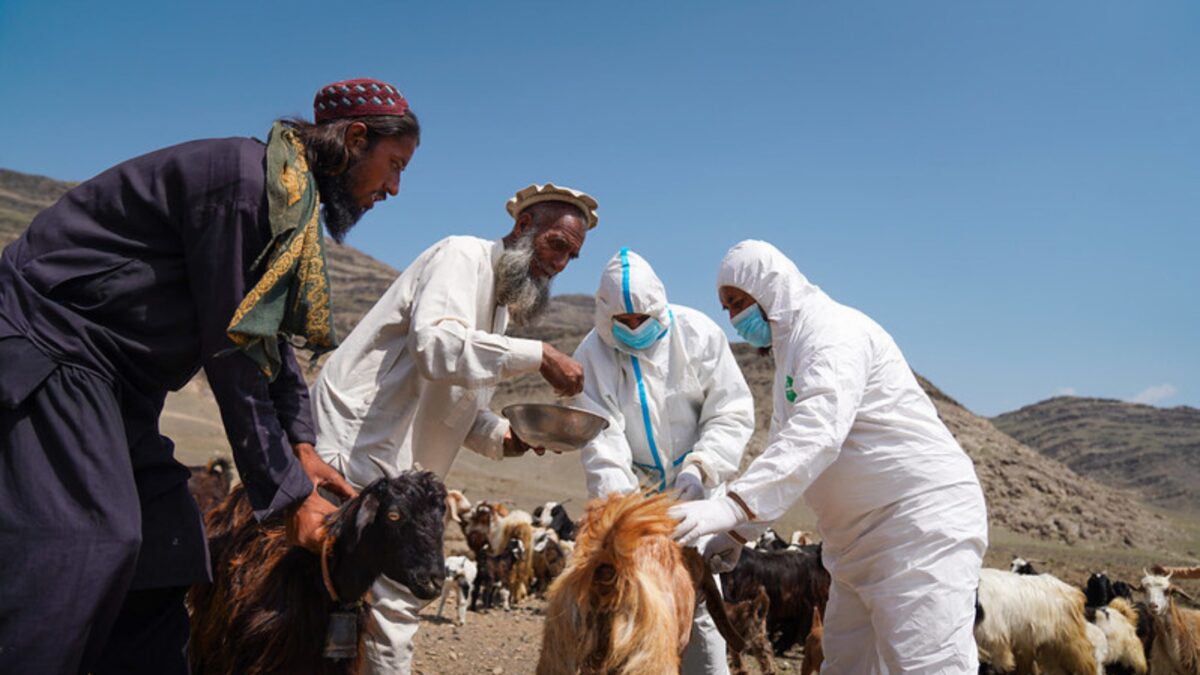
FAO said the initiative would help rural households rebuild disrupted agricultural production systems, protect livestock and restore livelihoods amid overlapping crises that continue to strain Afghanistan’s rural economy.
Agriculture remains the backbone of rural livelihoods in Afghanistan but suffers from low productivity, limited access to inputs and restricted market opportunities. Repeated natural disasters have destroyed crops, livestock and irrigation systems, while large-scale returns of migrants have increased pressure on already fragile communities.
Although large-scale food assistance helped ease acute hunger during the peak of the food crisis, conditions have deteriorated again, FAO said. In 2026, about 17.4 million people are projected to face acute food insecurity, including 4.7 million classified as being in emergency conditions, marked by severe food consumption gaps and high levels of acute malnutrition.
FAO warned that persistent drought, combined with expected La Niña effects bringing below-average rainfall and above-average temperatures into early 2026, could further worsen food insecurity.
The new initiative will focus on climate-smart and people-centred interventions to boost agricultural production, improve nutrition and diversify rural livelihoods, with priority given to women-headed households and provinces most affected by climate and economic shocks.
The programme builds on an ongoing partnership between FAO and ADB. Since 2022, ADB has provided about $265 million in grants through FAO to support agricultural production and reduce acute food insecurity in Afghanistan.
Through that cooperation, FAO said it has reached an estimated 5.6 million vulnerable people, helping more than 841,000 households restore crop and livestock production and stabilise food supply chains during the humanitarian crisis.
FAO Director-General Qu Dongyu said the partnership had delivered measurable results, including higher crop yields and improved livestock ownership.
“For around $200, a wheat cultivation package can feed a family of seven for an entire year,” FAO said, adding that farmers using certified seeds achieved 27% higher yields and generated surplus seed for future planting seasons.
FAO said the initiative aims to move beyond emergency assistance and help Afghan families build resilience to future shocks in one of the world’s most vulnerable food security contexts.