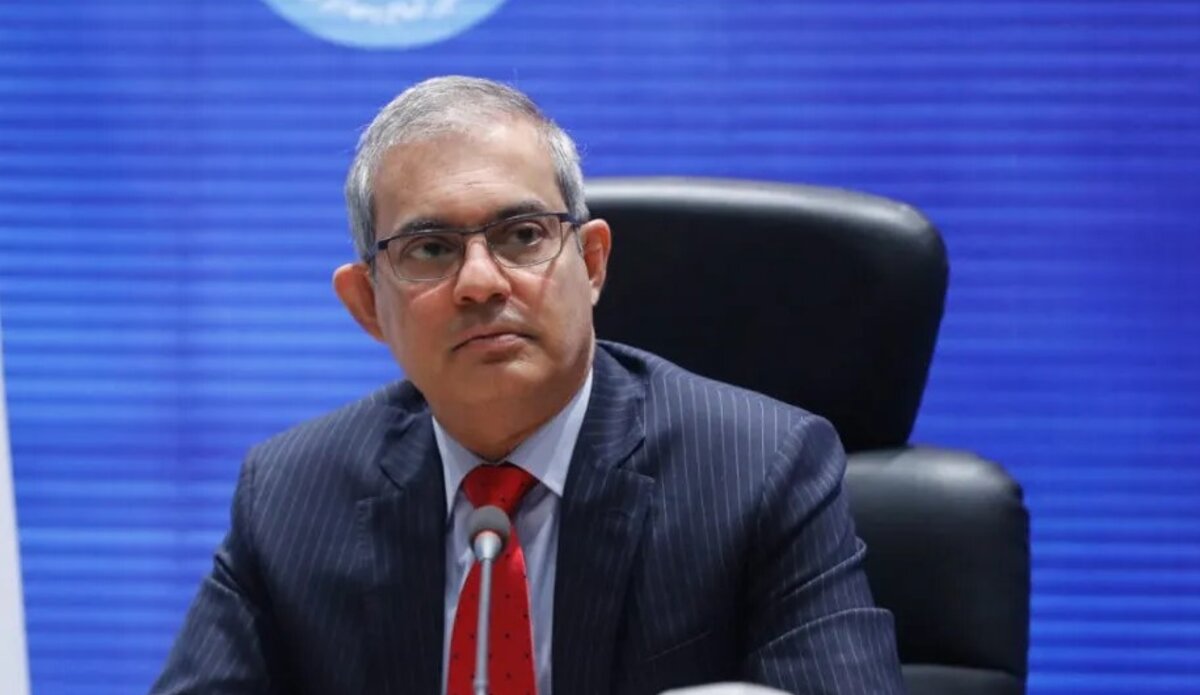
Afghanistan is facing three major crises, including drought, the return of millions of migrants and a sharp decline in global aid, the United Nations humanitarian coordinator for the country said.
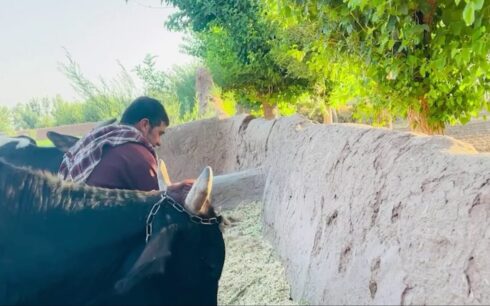
Andrika Ratwatte said prolonged drought had affected 70% of Afghanistan’s population, most of whom depend on agriculture, severely undermining food security.
In a video message, Ratwatte said the return of around 2.5 million migrants from Iran and Pakistan, combined with a global funding shortfall, had further strained the country’s humanitarian response and reduced resources for development and basic services.
He said only 37% of the United Nations’ humanitarian funding appeal for Afghanistan had so far been met.
As a result, about 400 humanitarian health facilities across the country have been forced to close, cutting off more than 3 million people from medical services, Ratwatte said. He added that 300 nutrition centres had also shut down, affecting more than 80,000 children, breastfeeding mothers and others who relied on the services.
Ratwatte said he hoped that by 2026 the United Nations would be able to help create a more enabling environment in Afghanistan, particularly for women and girls, who make up half the population.
“People speak about the need to continue programs in health, education, social protection and livelihoods,” he said. “These programs are truly life-saving. They are asking us to maintain them and, if possible, expand them, because they change lives every day.”
The United Nations Office for the Coordination of Humanitarian Affairs, or OCHA, has previously said Afghanistan is expected to remain one of the world’s largest humanitarian crises in 2026.
OCHA said years of conflict, economic fragility and underinvestment in basic services had weakened the resilience of large segments of the population.
Those pressures are now being compounded by widespread food insecurity, mass returns of migrants, climate-driven drought, natural disasters and systematic restrictions on women and girls, the agency said.
Nearly 21.9 million people – about 45% of Afghanistan’s population – are expected to require humanitarian assistance in 2026, OCHA added.