Residents in Afghanistan’s northeastern Takhar province say gold mining in the Chah Ab district has failed to deliver basic services to local communities, leaving villages without proper roads, electricity or healthcare despite ongoing extraction.
Local sources in Chah Ab district said the recent protest by the residents was against the extraction of gold without the provision of basic services such as roads, electricity and healthcare for the community.
“The fighting has stopped, but there has been no response to our demands,” a local resident said, requesting anonymity for security reasons. “People are now worried about arrests.”
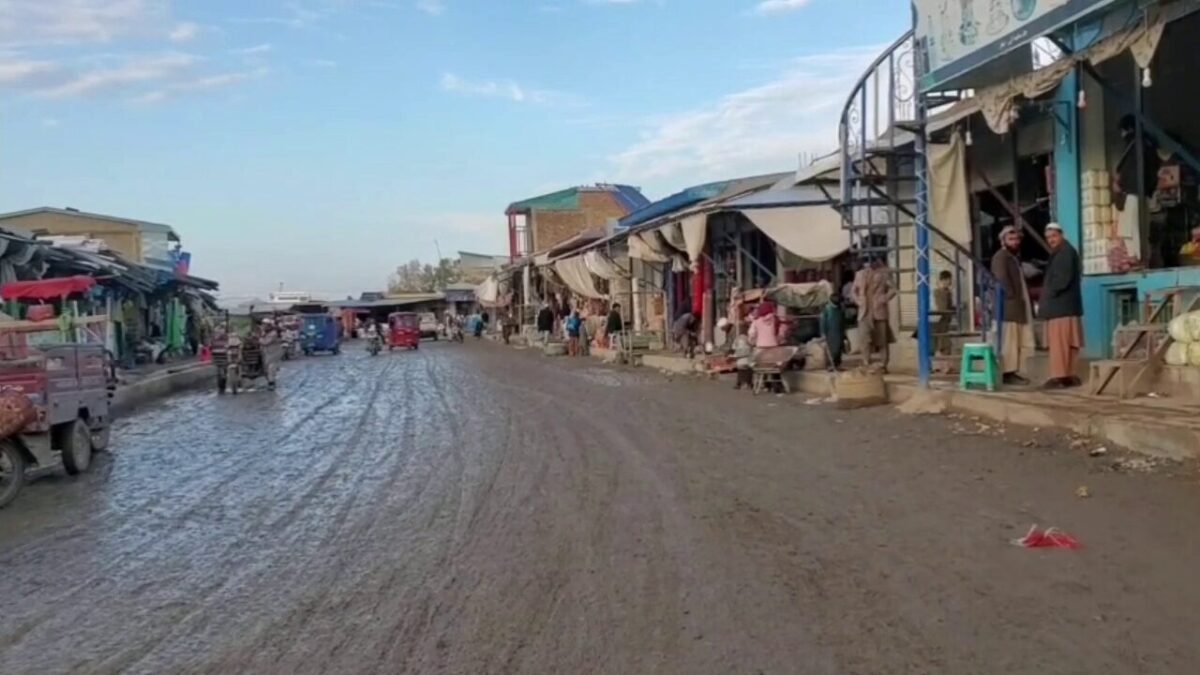
Residents say the lack of infrastructure, particularly unpaved roads, has made daily life difficult despite the presence of a lucrative mining operation in the area.
“When you travel toward Chah Ab, it feels like you are heading to a prison,” said Abdullah, a resident of the district. “At least part of the revenue from this mine should be spent on Takhar.”
Another resident, Burhanuddin, urged Taliban authorities to reinvest mining income locally. “We ask the Taliban to rebuild roads and bridges. Right now, people here are facing serious problems,” he said.
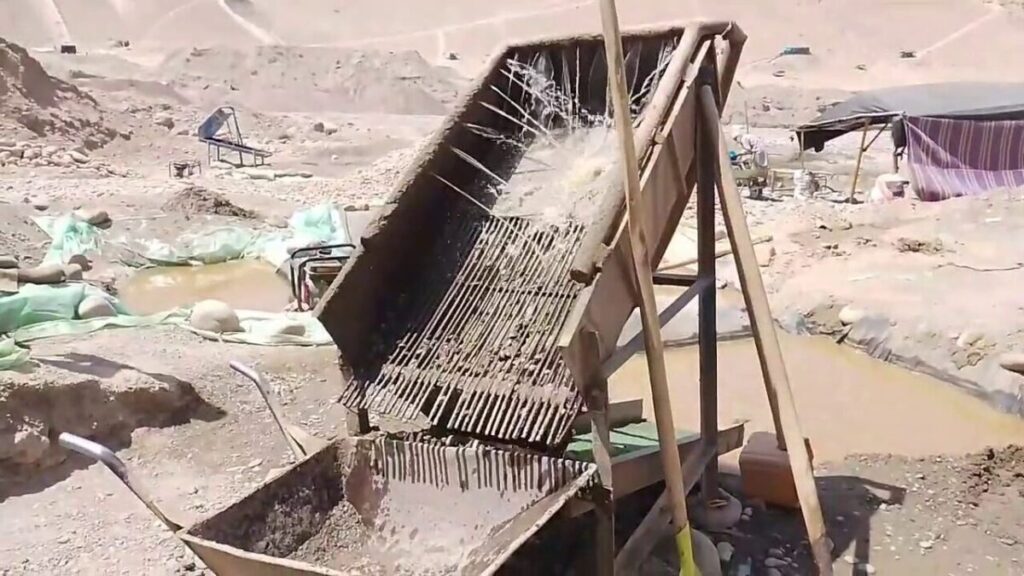
Others said communities near the mine had seen no tangible benefits from the extraction. “There is gold being mined near the Amu River, but no services,” said Saifullahuddin, another local resident. “There should be roads, clinics and electricity for the people.”
Local sources previously told Amu TV that at least five protesters were killed and 16 others wounded during the clashes. Taliban officials have not publicly commented on the incident or the reported casualties.
Afghanistan’s mining sector has become an increasing source of tension as the Taliban seek to expand extraction while local communities demand a share of revenues and basic services in return.