Women who have recently returned to Afghanistan from Iran and Pakistan say they are struggling to survive amid worsening economic conditions, as global organizations warn of growing risks facing women and girls under Taliban rule.
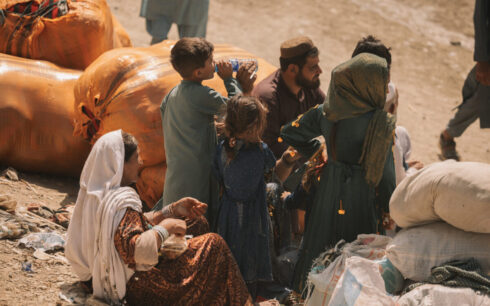
Several female-headed households told local media they were facing a harsh winter with little access to basic necessities after returning to Afghanistan, where they lack income and support networks.
Many said they had been working in neighbouring countries before returning but now face unemployment and shortages of food, shelter and healthcare.
“Women cannot work here. We were deported from Iran. We face lack of jobs. We hope the situation will improve,” a returnee said.
“Four families are living here. We face lack of food and shelter,” said Saleha, a returnee.
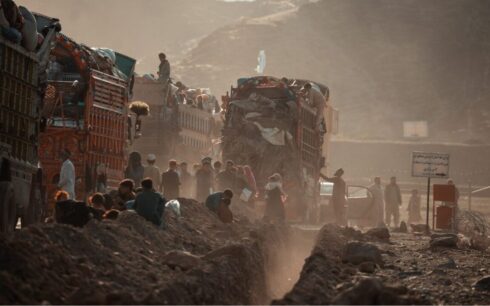
The International Organization for Migration (IOM) said in a recent report that more than two million migrants who returned to Afghanistan from Iran and Pakistan over the past two years are facing severe livelihood challenges.
According to the report, only 11% of returnees are employed, while the majority have no source of income. One in four returnees lacks adequate shelter, and 56% of households are unable to meet their basic needs. The IOM said 33% of household heads and single adults among returnees are unemployed.
United Nations data show that women make up about one-third of returnees from Iran and nearly half of those returning from Pakistan. The UN has warned that women and girls are being sent back to a country where they face heightened risks, including gender-based violence, forced and early marriage, and economic exclusion.
UN agencies have previously cautioned that many women, mothers and children remain stranded in border areas or return to communities without shelter or protection, requiring urgent humanitarian assistance.
“Lack of education opportunities and health services threatens the future of these women,” said Asifa Stanikzai, a human rights activist.
Food insecurity is also more severe in households headed by returning women than in those led by men, UN agencies have said, underscoring the disproportionate impact of mass returns on women and girls in Afghanistan.