Iran experienced a widespread internet and mobile communications blackout from Thursday evening as anti-government protests spread across the country, now entering their 13th day, according to rights groups and internet monitoring organisations.
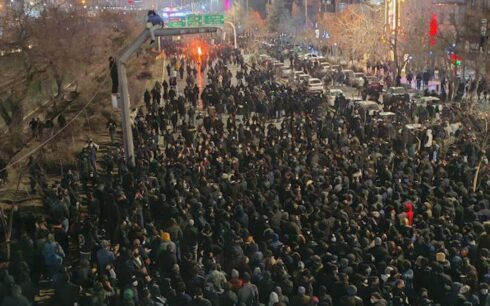
The protests, which have been reported in more than 100 cities, were initially triggered by a sharp fall in the rial and soaring prices of basic goods, but have since taken on an overtly political character, with demonstrators chanting slogans directly targeting the country’s leadership.
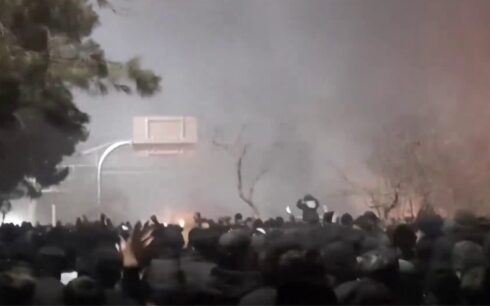
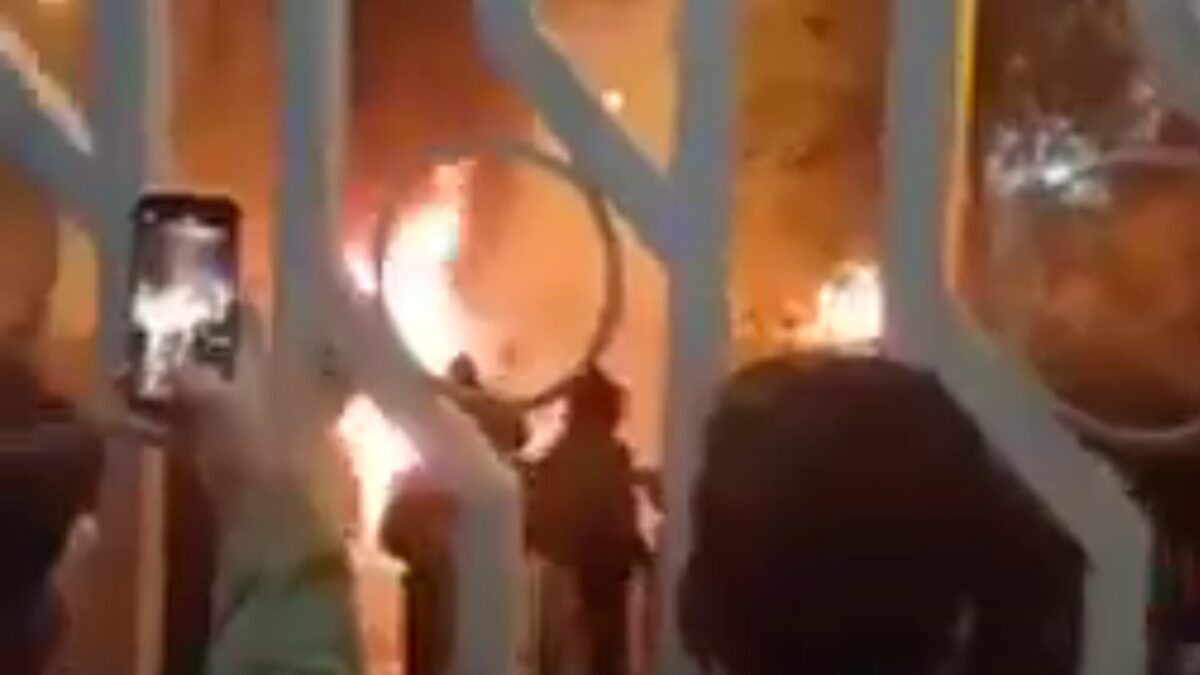
Despite the communications disruption, videos circulating online showed large crowds on the streets in cities including Tehran, Mashhad, Shiraz, Tabriz and several western cities. Some footage showed protesters blocking roads, setting fires and clashing with security forces.
Iranian authorities have not commented on the extent of the internet outage. Observers said the blackout appeared aimed at curbing the spread of protests and limiting the flow of information.
Exiled human rights groups said at least 45 protesters had been killed so far, including children, and reported the arrest of thousands of people. They also alleged that security forces had used live ammunition in some areas. Iranian officials have either denied the claims or provided lower casualty figures.
Clashes were reported to be particularly intense in western provinces such as Ilam and Lorestan, where rights groups said arrests had taken place even in medical facilities.
US President Donald Trump warned that Washington would respond if Iranian authorities carried out mass killings of protesters. In an interview with Fox News, Trump said Ali Khamenei was seeking a way to leave the country, suggesting Iran could be nearing collapse.
“They have done this before – suddenly opening fire on unarmed people,” Trump said, referring to past crackdowns. “If they do that, we will respond very strongly.”
Iranian state media have downplayed the protests, describing demonstrators as “rioters” and portraying cities as calm. State outlets have also broadcast video confessions of detainees, which opposition figures say were obtained under duress.
Analysts said a distinguishing feature of the current unrest was the participation of groups previously seen as supportive of the Islamic Republic, including bazaar merchants and segments of the urban middle class.
While the scale and outcome of the protests remain uncertain, analysts said the breadth of participation and the government’s reliance on communication shutdowns underscored growing concern within the Iranian leadership.