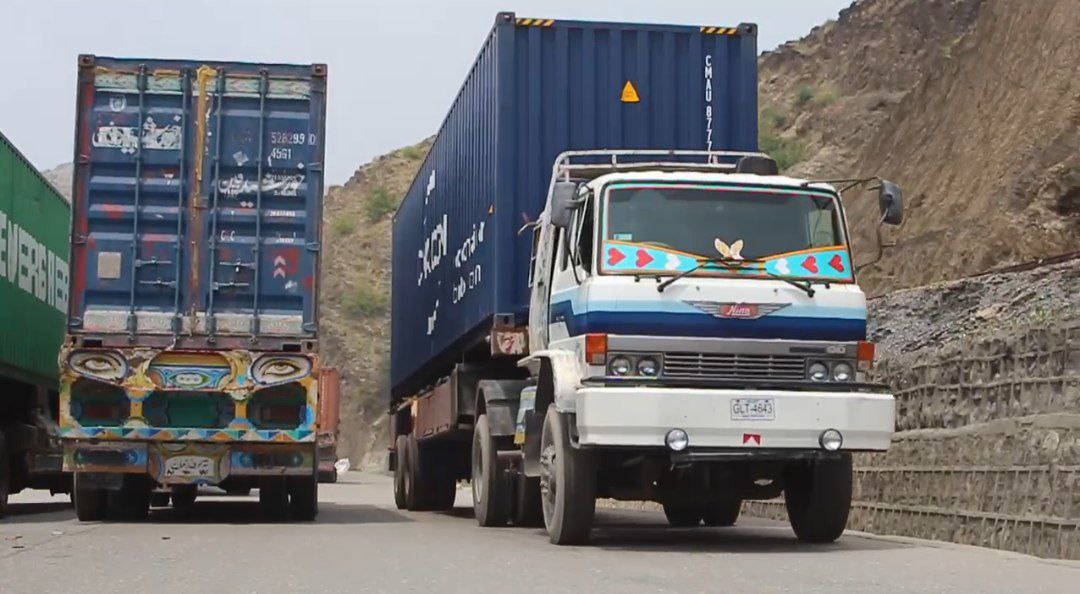
Pakistan has suffered the greatest losses from the prolonged closure of border crossings with Afghanistan, an official from Afghanistan’s chamber of commerce said, as trade between the two neighbours remains largely halted.
Khan Jan Alokozay, a board member of the Afghanistan Chamber of Commerce and Investment (ACCI), said Afghanistan previously conducted about $200 million a month in trade with Pakistan, most of it imports from Pakistan, but that commerce has stopped since the crossings were shut.
“After a month of closures, Afghanistan has turned to alternative trade routes,” Alokozay told Amu TV on Tuesday. “Imports are continuing through other channels and there is no serious shortage of goods.”
He said Afghanistan’s fresh fruit export season had already ended and that mineral exports were now being routed through alternative corridors, including via Central Asian countries.
Alokozay acknowledged that prices of some goods have risen in Afghanistan’s markets but said supplies remain available and the situation is manageable.
Border and commercial crossings between Afghanistan and Pakistan have now been closed for nearly three months, effectively halting bilateral trade and transit through Pakistan.
The closures followed clashes between Pakistani forces and the Taliban along the border that lasted for eight days.
Despite several rounds of talks between Taliban officials and Pakistani representatives in Doha, Istanbul and Riyadh aimed at easing tensions, the crossings have not reopened, traders on both sides say, resulting in millions of dollars in losses.
The Frontier Chamber of Commerce and Industry in Pakistan has previously called for the immediate reopening of the crossings. Pakistani media have quoted its head, Junaid Altaf, as saying prolonged closures have inflicted heavy financial losses on traders and increased unemployment.
Altaf said more than 12,000 containers are currently stuck at border crossings and at Karachi port, forcing traders to bear rising storage and demurrage costs.