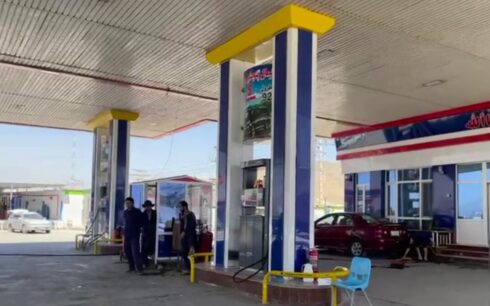
People across the country are struggling to afford food and basic services as prices rise sharply, residents and official data show, deepening economic pressure on households already hit by unemployment and falling incomes.
Several residents said the cost of daily necessities has surged to levels that make meeting basic family needs nearly impossible.
“Food prices have gone up a lot and there is no work,” said a resident of the northern city of Mazar-i-Sharif. “Only one person works in the family. Fuel and everything else is more expensive. If prices could be controlled and come down, it would help.”
A resident of the western province of Farah said his eight-member family was unable to cope with rising costs. “There is no work and many problems. Everything is more expensive — rice, oil — we can’t afford to buy them,” he said.
The Taliban-run National Statistics and Information Authority has acknowledged rising prices for food and healthcare, saying inflation has climbed by nearly 10% compared with the same period last year.
According to the authority’s latest figures, healthcare costs rose by more than 17%, while food prices increased by about 4%. Vegetable prices recorded the sharpest rise, climbing nearly 30%, while cooking oil and grains rose by about 14% and 3.5%, respectively.
The statistics office attributed the increases mainly to higher global food commodity prices.
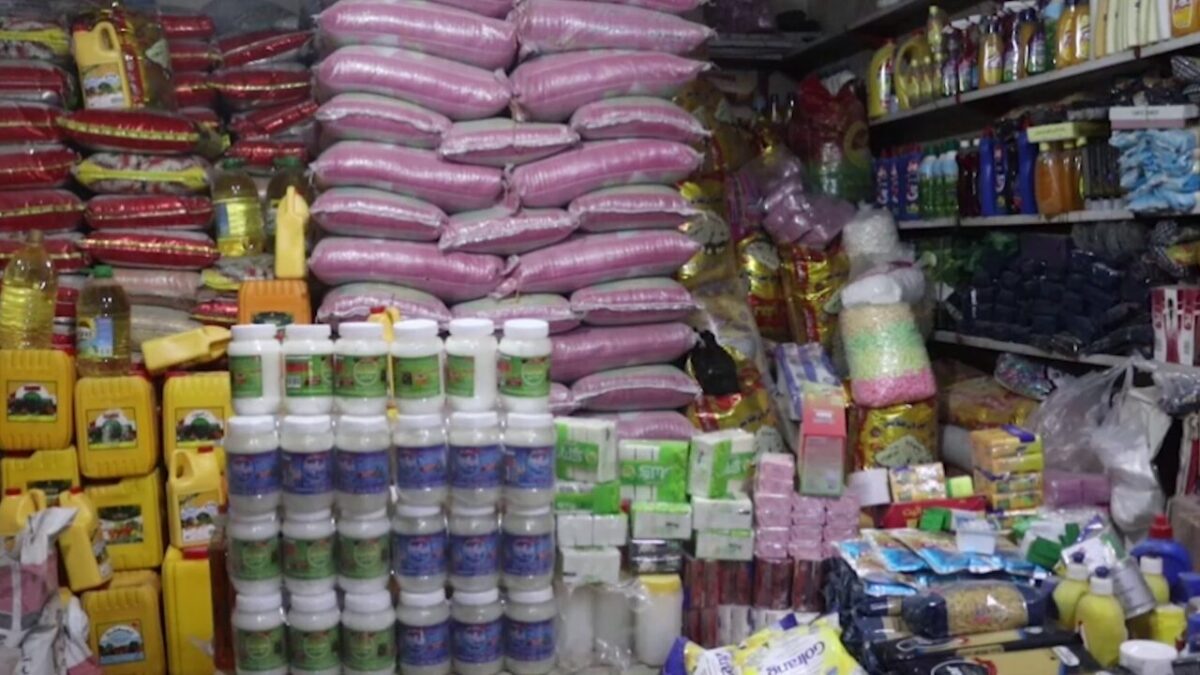
In Kabul markets, prices for basic staples have climbed sharply. Ten seers (about 70 kg) of wheat flour are selling for up to 2,000 afghanis, or about $30. Rice costs between 200 and 500 afghanis per kilogram, or roughly $3 to $7.60. Five litres of cooking oil sell for up to 600 afghanis, about $9, while sugar costs up to 60 afghanis per kilogram, or around 90 cents.
Economists say import disruptions, reduced trade with Pakistan and widespread unemployment have compounded the pressure on households.
“Rising food and healthcare costs are mainly linked to winter conditions, import problems and reduced trade with Pakistan,” said Bahram Ramesh, an economist. “Unemployment and declining incomes have worsened the situation because purchasing power and job creation are very limited. Heavy reliance on imports and weak economic management have added to the problem.”
The United Nations says Afghanistan faces a deepening humanitarian crisis. This year, 17.5 million people are expected to need urgent assistance, and about one-third of the population is projected to face severe food insecurity.
The UN Office for the Coordination of Humanitarian Affairs has also warned that increasing restrictions imposed by the Taliban on women and girls are exacerbating Afghanistan’s socio-economic crisis.