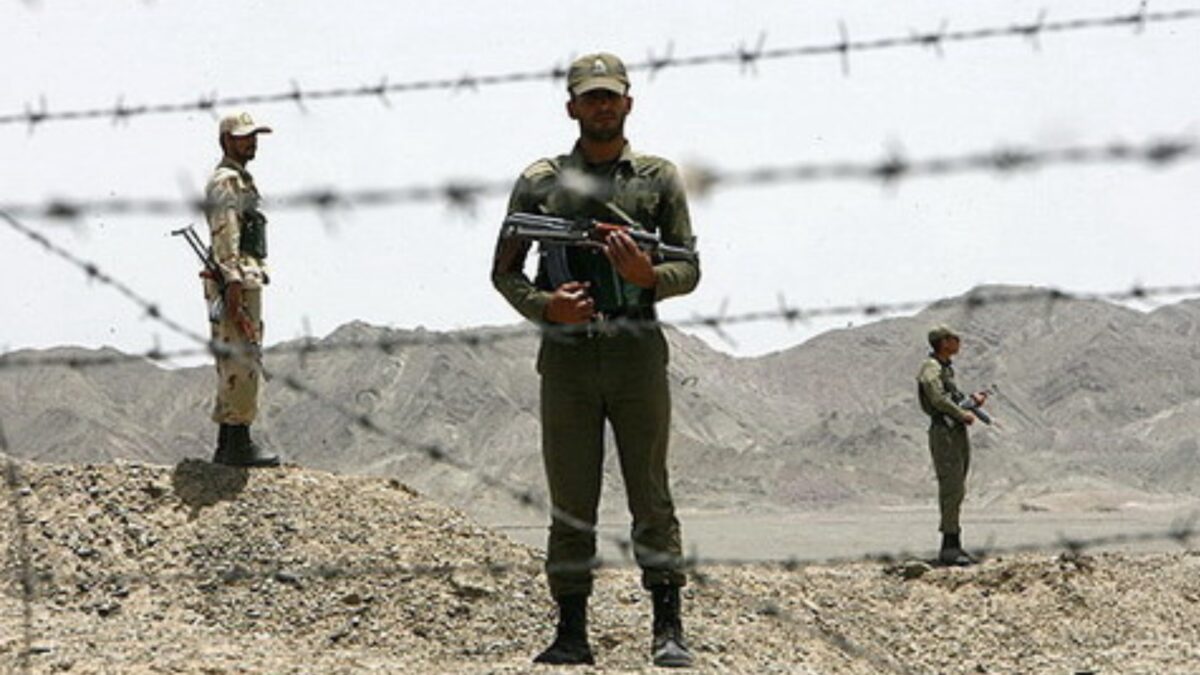
Families in western Afghanistan say Iranian border guards withheld the bodies of 10 Afghans for 24 days before returning them, Taliban-run Bakhtar News Agency reported, amid continued silence from both Tehran and the Taliban leadership over the deadly incident.
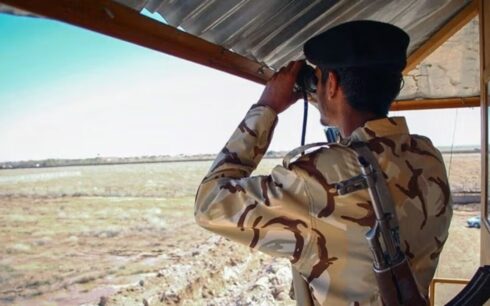
The victims were residents of Zir Koh and Shindand districts in Herat province, according to Taliban officials who earlier confirmed that the 10 men were shot dead by Iranian border forces as they attempted to cross into Iran through the Sheikh Abu Nasr Farahi crossing without documents. Two other Afghans remain missing.
More than a day after the incident became public, neither Iran nor the Taliban’s central authorities had issued a formal statement or announced an investigation. Residents in Farah said the deaths had shocked the province.
A Farah resident told Amu TV that 17 people had travelled from Farah and were fired on at the border. “We are desperate and worried. We face hunger,” he said.
Afghan families in Herat said that the bodies had been held by Iranian authorities for more than three weeks before being handed over this week.
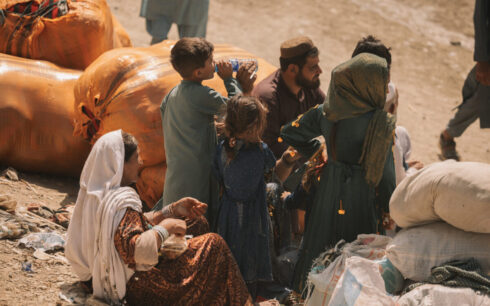
Anotehr Farah resident in Farah said worsening poverty, joblessness and hunger were pushing many Afghans to risk the dangerous crossing into Iran. “If people were not desperate, who would accept the risk of death?” he said, adding that many migrants are later deported “within days” even if they succeed in entering Iran.
Iran is not the only neighbouring country under scrutiny. Human rights organisations have raised alarm over the situation of Afghans in Pakistan, where hundreds of thousands have been expelled since October under Islamabad’s crackdown on undocumented migrants.
Since the Taliban returned to power in 2021, hundreds of thousands of Afghans have fled to Iran and Pakistan, driven by economic collapse, drought, loss of income or fear of Taliban reprisals. Both countries have stepped up forced returns in recent months.
Incidents of Iranian border guards firing on Afghans have occurred repeatedly over the past decade and have drawn criticism from rights groups.