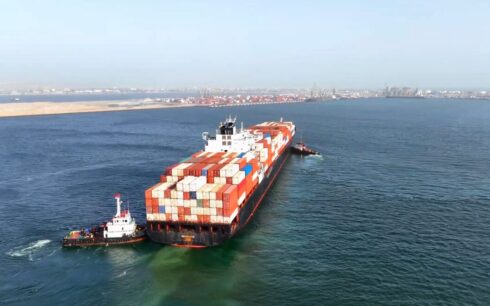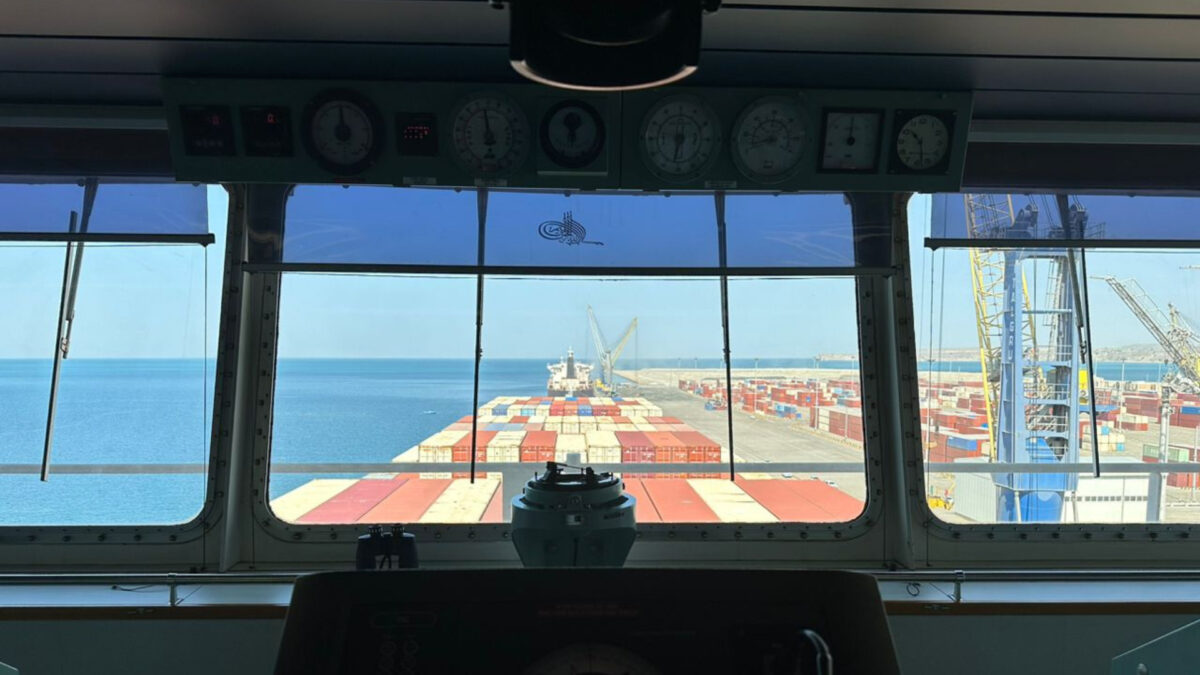
Taliban trade minister, Nooruddin Azizi, said Monday during a visit to New Delhi that issues with Pakistan have worsened, claiming Islamabad has closed all trade and transit routes used by Afghan businesses. He said they are now working closely with India to fully operationalize the Chabahar port in Iran as an alternative trade corridor.
Azizi’s remarks come as trade data shows Afghanistan’s transit through Pakistan dropped by 79 percent in October, from $108.2 million to $22.6 million. The sharp decline is attributed to the closure of eight key border crossings following rising tensions between Islamabad and the Taliban.
Despite the closures, the Taliban’s Ministry of Finance has claimed that the disruption has not negatively impacted Afghanistan’s overall trade or customs revenue. The ministry urged Afghan traders to use alternative routes and pledged government support.
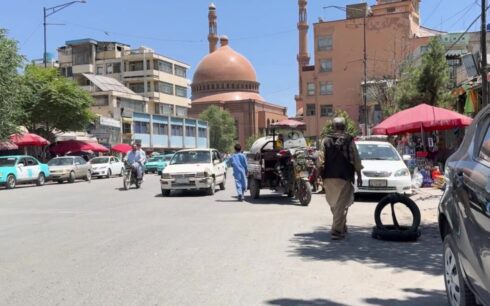
However, Kabul residents and traders have reported a surge in food prices since the trade halt. Prices have risen by 17 afghanis (approximately $0.20) per kilo for rice, 10 afghanis ($0.11) for flour, and 20 afghanis ($0.23) per liter of cooking oil. Current market rates in Kabul list one kilo of rice at 129 afghanis ($1.49), flour at 40 afghanis ($0.46), and oil at 124 afghanis ($1.43) per liter.
Analysts caution that the shift toward Iranian ports like Chabahar could prove more costly due to sanctions, infrastructure limitations, and longer transport distances. Analysts argue that while political efforts to diversify trade are underway, the Pakistani route remains the most viable option in the near term.
Tensions between Taliban and Pakistan have remained high since mid-October, when border clashes led to the full closure of crossings. More than 12,000 Afghan containers remain stranded in Pakistan’s ports.
Last year, Pakistan exported goods worth $1.1 billion to Afghanistan, while Afghan exports to Pakistan totaled around $600 million. There has been no indication from either side about when border trade might resume.