Amidst tensions with Pakistan, Taliban commerce minister Nooruddin Azizi on Wednesday travelled to India for a five-day visit aimed at expanding economic ties and boosting trade through regional alternatives.
The trip marks the second visit by a senior Taliban official to India in less than two months, and comes at a time when cross-border trade between Afghanistan and Pakistan has been halted due to security disputes and political friction.
Five major border crossings between Afghanistan and Pakistan have remained closed to trade and transit for the past 40 days.
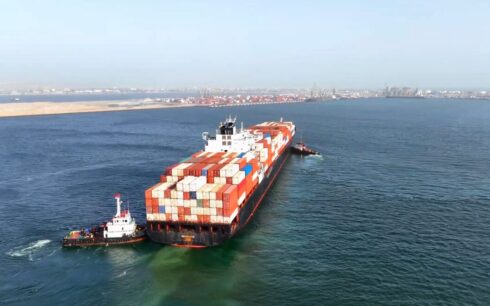
Azizi is leading a six-member delegation of officials from various departments. According to a statement by the Taliban’s Ministry of Industry and Commerce, the visit is focused on strengthening bilateral trade with India and maximizing the use of Iran’s Chabahar port — a strategic alternative trade route that bypasses Pakistan.
“During this visit, the Afghan delegation will meet with senior Indian officials, including the ministers of foreign affairs and commerce, as well as Indian business leaders, investors, and members of the private sector,” the ministry said.
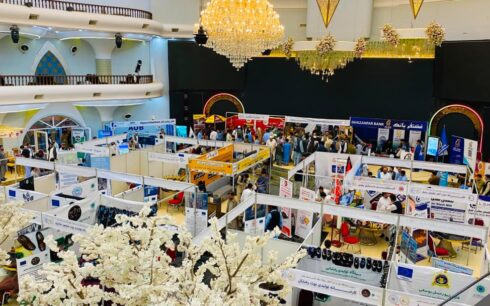
The delegation is also expected to attend the Pragati Maidan World Trade Expo in New Delhi, part of its effort to attract Indian investment and promote Afghan exports.
India has maintained limited but notable diplomatic engagement with the Taliban since their return to power in August 2021, largely focused on humanitarian aid and economic interests.
According to official Indian trade data, annual trade between India and Afghanistan exceeds $1 billion, with Afghanistan exporting roughly $690 million worth of goods to India. Key Afghan exports include dried fruits (particularly pine nuts and pistachios), asafoetida (hing), saffron, and handwoven carpets — items that have long found strong markets in India.
India had previously waived tariffs on most Afghan exports during the former Republic government, a policy that helped sustain small producers and rural exporters in Afghanistan.
Economic analysts say India remains one of Afghanistan’s most important export destinations, but accessing Indian markets remains challenging. Most Afghan goods reach India via routes through Pakistan and Iran — both of which pose logistical hurdles. Pakistan has currently shut all major trade routes with Afghanistan, and Iran remains under Western sanctions, further complicating transit.
“India offers one of the few viable markets for Afghan goods, but access has become increasingly difficult,” said Bahram Ramesh, an Afghan economic analyst. “Chabahar is crucial, but without regional coordination and investment, it cannot fully replace the land routes through Pakistan.”
Azizi’s visit follows an earlier trip in October by Taliban Foreign Minister Amir Khan Muttaqi, who also traveled to India for diplomatic talks and investment discussions. That trip was swiftly overshadowed by renewed tensions with Pakistan, which launched airstrikes near Kabul shortly after Muttaqi’s return — the first direct military attack on Afghanistan’s capital since the Taliban takeover.
Islamabad has accused the Taliban of harboring anti-Pakistan militants, particularly members of Tehrik-i-Taliban Pakistan (TTP), and has taken increasingly aggressive steps, including border closures and mass deportations of Afghan nationals. The Taliban, in turn, have denied responsibility and accused Pakistan of regional destabilization.