Iranian authorities have announced new procedures for Afghan citizens seeking to reunite with immediate family members legally residing in Iran, offering a narrow pathway for return after months of intensified deportations and mounting regional pressure on refugees.
The Office for Foreign Nationals and Immigrants Affairs at Iran’s Ministry of Interior said Afghan nationals who previously held census registration cards — a form of temporary identification issued to undocumented migrants — and were deported or repatriated to Afghanistan may now apply for family reunification visas, provided they have parents, spouses, or children living in Iran with valid legal status.
Applications must be submitted through designated kafalat (sponsorship) offices, with the Iranian family member initiating the process. The visa fee is set at €100 and is payable at the Iranian diplomatic mission in Kabul, according to local media reports.
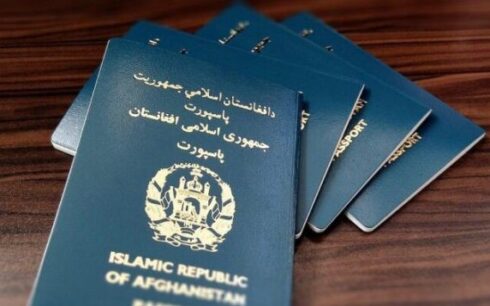
Iranian officials said the initiative aims to “facilitate family reunification and ease migration challenges” for Afghan nationals with ties inside the country. Required documents include valid residency permits of the sponsor, a scanned photo page of the applicant’s passport, a marriage certificate, and birth certificates for dependent children.
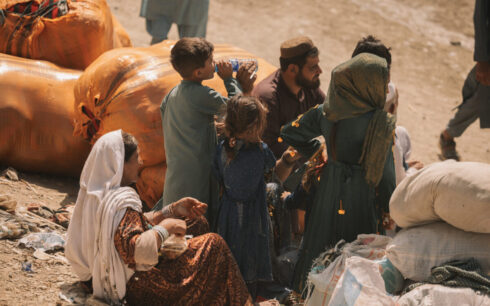
The announcement comes as Iran, like neighboring Pakistan, has continued deportations of undocumented Afghans in recent months, citing security concerns, economic strain, and the need to manage migration flows amid rising domestic pressures. According to aid agencies, tens of thousands of Afghans have been forcibly returned in recent weeks, many without the opportunity to settle personal affairs or secure safe passage for family members left behind.
The timing of the new visa policy appears to be a partial concession to growing humanitarian concerns. Both Iran and Pakistan host millions of Afghan refugees and migrants, many of whom fled decades of conflict and economic collapse, as well as the more recent fallout from the Taliban’s return to power in August 2021.
While the reunification program provides a legal mechanism for reentry, its scope remains limited. Only individuals whose relatives possess specific categories of residency — including family passports, residency passports, the “Azmayesh 19” card, or official residency booklets — are eligible. Human rights advocates note that many Afghans in Iran lack such documentation, making them ineligible despite close family ties.
Iran is currently home to an estimated 3.5 million Afghans, including both registered refugees and undocumented migrants. Tehran has long walked a political tightrope between offering humanitarian support and managing internal discontent over the economic impact of hosting a large refugee population. Anti-immigrant sentiment has been rising amid Iran’s ongoing economic crisis and social unrest, complicating policy decisions.
For those who do qualify, the application process is expected to take place within Iran, meaning the Afghan applicant must remain in Afghanistan until a visa is issued — a point of concern for families separated by sudden deportations or border closures.
The Iranian government has not indicated how many applicants it expects to qualify under the new reunification visa category or how long the approval process may take.