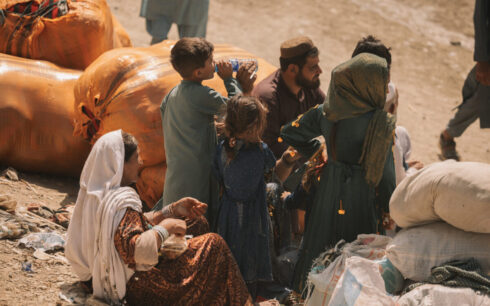
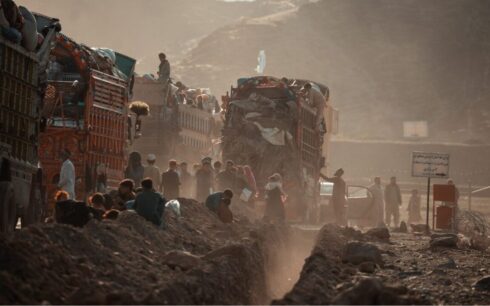
As Pakistan intensifies its campaign to deport undocumented migrants, thousands of Afghans whose visas have expired are facing the threat of expulsion, pleading with authorities to let them stay as international organizations warn of a mounting humanitarian crisis.
For many Afghans, Pakistan has long been a refuge from war and instability. But in recent weeks, government officials have stepped up efforts to remove those without valid documents, transporting hundreds to border regions and deporting them to Afghanistan. The Pakistani government has also stopped renewing many temporary visas, leaving families who have lived in the country for years with few options.
“We are asking the government of Pakistan to extend our stay,” said an Afghan migrant in Islamabad, who arrived after the Taliban takeover in 2021. “If we return to Afghanistan, we will face serious problems. Please end the deportations.”
Another migrant said he and his family fled Kabul after the collapse of the previous government. “We came to Pakistan like many others,” he said. “Our visas expired, and now we cannot renew them. We live in constant fear of being deported.”
Prime Minister Shehbaz Sharif has defended the government’s actions, saying that no further extensions will be granted to those residing illegally. “The process must continue,” he said, describing it as a matter of national security.
According to UN agencies, arrests of Afghan nationals in Pakistan have risen by 146 percent in recent months. Most of those detained are being moved to temporary holding centers or transported to crossing points along the Afghan border.
Rights advocates have warned that the mass deportations, carried out with limited planning and few support mechanisms, could spark a wider humanitarian crisis.
“Living conditions for Afghan migrants in Pakistan have become increasingly difficult,” said Mohammad Khan Talebi Mohammadzai, a migrant rights activist. “The lack of a clear foreign policy and migration strategy by the Taliban authorities has made the situation worse. Afghan refugees in neighboring countries, including Pakistan, are suffering.”
The United Nations has cautioned that returnees are being sent back to a country still gripped by widespread human rights abuses — particularly against women — as well as deep economic distress and recurring natural disasters. Many deportees arrive in Afghanistan without money, housing or access to basic services.
“The humanitarian implications are severe,” said a spokesperson for the U.N. refugee agency. “For many of those being forced back, there is simply nothing to return to.”
Afghanistan, where the Taliban have barred most women from education and employment, continues to face international isolation and economic collapse. Aid agencies say that unless Pakistan and global partners coordinate a more humane migration policy, both countries risk worsening an already fragile regional crisis.