As major border crossings between Afghanistan and Pakistan remain closed for nearly a month, traders in southern Zabul Province say the dried fruit market has come to a near standstill, with prices dropping dramatically and business grinding to a halt.
In the provincial capital of Qalat, what was once a bustling center of commerce has fallen into quiet frustration. Local merchants say the lack of buyers and the prolonged border closures have made both sales and exports of dried fruits increasingly difficult.
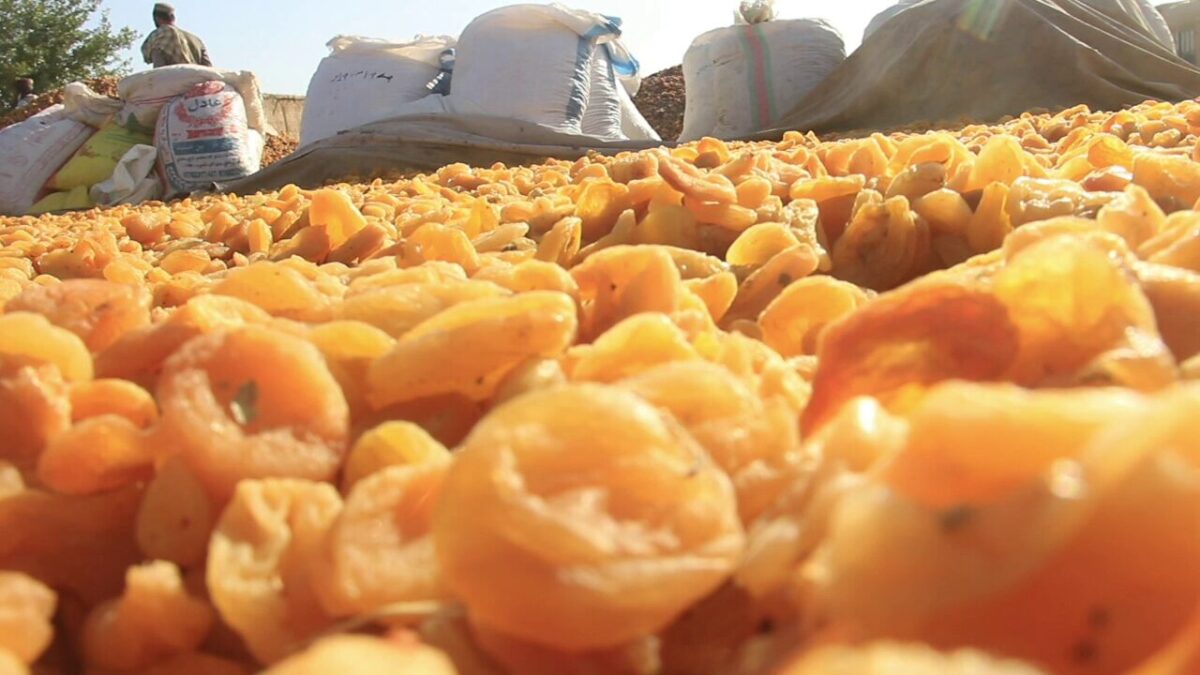
“Dried fruits are just sitting here. We have no buyers, and the borders are closed. Items that used to sell for 100 afghanis now sell for 60 — even goods worth 500 are being sold for 300,” said Abdul Rahim, a dried fruit trader in Zabul.
The Zabul market has historically been one of the province’s busiest commercial hubs during the autumn harvest season, when raisins, dried mulberries, apricots, and nuts are exported to neighboring countries — especially Pakistan. But merchants say this year’s trading season has collapsed under the weight of closed trade routes and political tensions.
“There are no buyers. The roads are closed. People are really suffering,” said Abdul Wali, another trader. “We just ask that the government do something to open the borders so we can sell these products.”
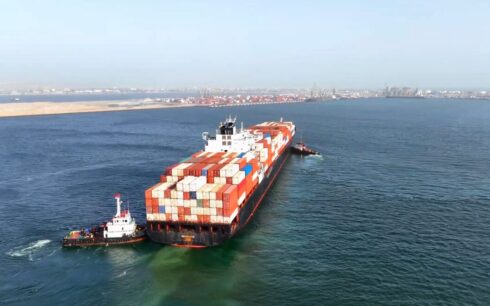
Since early October, key border crossings such as Spin Boldak, Torkham, and others have been shut for commercial trade amid escalating tensions between Pakistan and Afghanistan’s Taliban authorities. Although some crossings have occasionally opened for the forced return of Afghan migrants from Pakistan, trade remains largely suspended.
Another trader, Sayed Mohammad, said the situation is unprecedented.
“The market is nothing like last year. Prices have dropped fourfold,” he said.
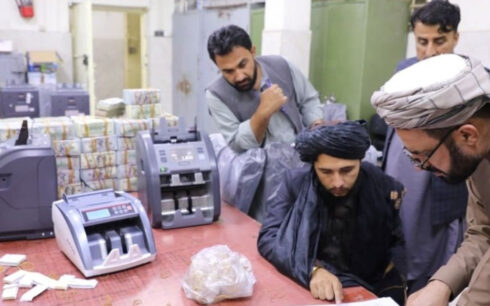
Many in the local business community say they have already lost millions of afghanis in revenue. With warehouses full of unsold stock and no clear resolution in sight, traders are urging both governments to find a political solution to the border impasse.
The ongoing dispute between Islamabad and the Taliban includes border clashes and a breakdown in bilateral talks, which were recently held in Istanbul. While both sides have expressed interest in diplomacy, no tangible agreements have emerged, leaving ordinary Afghans — especially those reliant on cross-border trade — to bear the brunt of the impasse.
Zabul’s traders now fear further losses if the border closures continue into the winter months, when demand for dried fruits typically spikes.