Opium cultivation in Afghanistan has declined by 20 percent over the past year, continuing a steep drop since the Taliban imposed a nationwide ban in 2022 — yet at the same time, synthetic drug production and regional trafficking are on the rise, according to a new United Nations report.
The 2025 Afghanistan Opium Survey, released Thursday by the UN Office on Drugs and Crime (UNODC), found that land under poppy cultivation has shrunk to 10,200 hectares, down from 12,800 hectares in 2024 and a staggering 232,000 hectares before the ban.
The report says that opium production also plunged by nearly one-third to 296 metric tons, with farmers’ income from opium sales cut almost in half.
But the reduction comes with new risks. Seizures of synthetic drugs, especially methamphetamine, in and around Afghanistan surged by 50 percent in late 2024 compared to the previous year. UNODC warns that these substances — easier to produce, harder to detect, and more resistant to climate shocks — could increasingly replace opium in trafficking networks.
“The dynamics of supply, demand and trafficking involve both Afghan and international actors,” said Georgette Gagnon, the UN’s top political representative in Afghanistan. “Addressing this challenge requires collaboration among key stakeholders.”
The UN report urges a shift in counternarcotics strategy, recommending a focus not only on eradication of opium but also on synthetic drugs through integrated monitoring, interdiction, and prevention efforts.
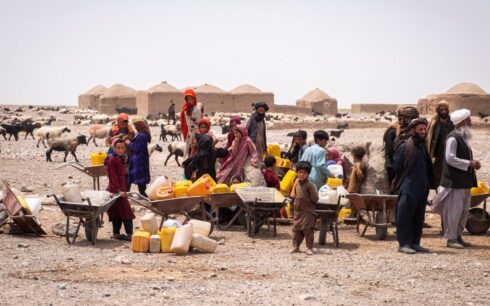
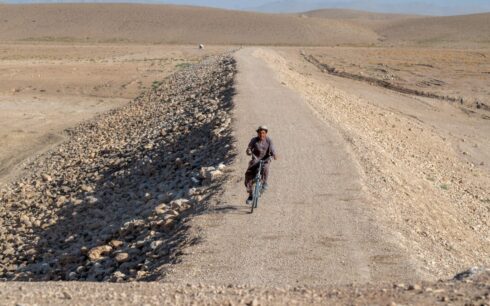
While thousands of Afghan farmers have turned to legal crops like cereals with the help of UN programs, severe drought and low rainfall have rendered over 40 percent of farmland barren. Meanwhile, the return of nearly four million Afghans from neighboring countries is straining resources and increasing the risk of farmers returning to illicit cultivation under economic pressure.
UNODC has emphasized that alternative livelihood support, combined with demand-reduction strategies and regional cooperation, will be essential to prevent a rebound in drug production — whether natural or synthetic.