On the International Day for Preventing the Exploitation of the Environment in War and Armed Conflict, UN Secretary-General Antonio Guterres urged the global community to take bold and immediate steps to reduce environmental degradation caused by conflict and climate change, stressing that sustainable development is closely tied to the protection of natural resources during times of war.
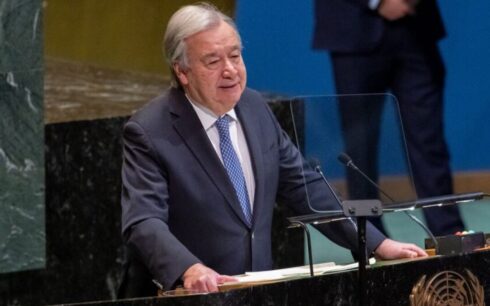
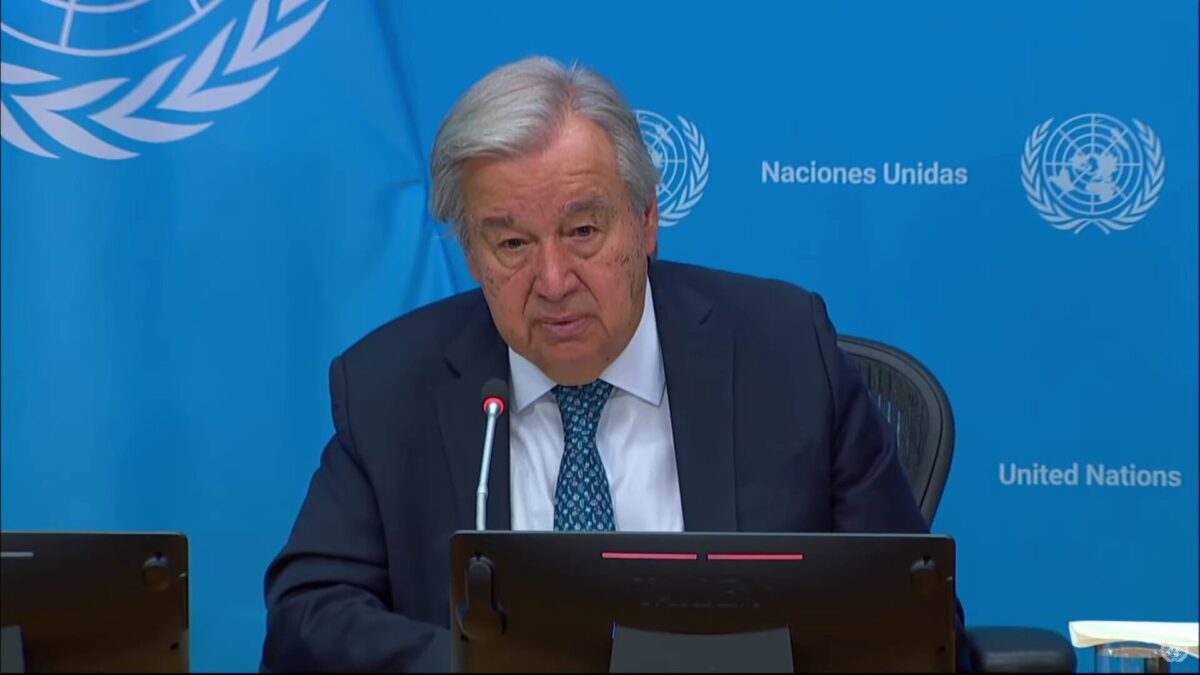
“If we are to achieve the Sustainable Development Goals, we must act boldly and urgently to reduce the risks posed by environmental degradation and climate change during conflict, and commit to protecting our planet from the crippling effects of war,” Guterres said in a statement released on November 6.
The United Nations, in a separate message marking the day, highlighted how the environment remains a “silent casualty” of war. “Wells have been polluted, crops torched, forests cut down, soils poisoned and animals killed to gain military advantage,” the statement read.
According to the UN Environment Programme, at least 40 percent of internal conflicts over the past 60 years have been linked to the exploitation of natural resources — whether high-value commodities like timber, diamonds, and oil, or scarce resources such as fertile land and water. Conflicts involving natural resources are also twice as likely to relapse.
The observance comes as Afghanistan remains one of the world’s most vulnerable countries to environmental degradation and climate change. Rapid deforestation, the destruction of green spaces for urban expansion, unsustainable extraction of mineral water, and shifting climate patterns have intensified the country’s environmental risks.
Afghanistan’s environmental fragility is compounded by years of conflict and limited institutional capacity to enforce environmental regulations.
The International Day for Preventing the Exploitation of the Environment in War and Armed Conflict was established by the UN General Assembly in 2001 and is observed annually on November 6.