Key border crossings between Afghanistan and Pakistan remained mostly shut for a 26th consecutive day on Thursday, with limited reopening only to facilitate the forced deportation of Afghan nationals. Regular civilian travel and commercial trade across the frontier remain suspended, disrupting the lives of thousands and dealing a blow to both economies.
According to data released by the Taliban-run commission for refugee affairs, more than 20,000 Afghans have been deported via the Torkham crossing alone since it was reopened for repatriations. On Tuesday, approximately 1,200 families reportedly returned to Afghanistan from Pakistan through the same crossing.
The extended closure of major crossings, including Torkham, Spin Boldak, Ghulam Khan, Angur Ada, and Dand-e-Patan, comes in the wake of heightened tensions and recent cross-border clashes between the Taliban and Pakistani forces. The dispute has led to a near-complete freeze in movement for civilians and halted cross-border trade.
At the Torkham border, returning migrants — including women and children — continue to arrive daily under difficult conditions, with many carrying what belongings they could salvage and little clarity about what awaits them in Afghanistan.
“These people are stranded here, including women and children,” said one returnee, speaking amid the crowds. “There are no proper facilities. The police are shouting — it’s chaos.”
Elsewhere, travelers and medical patients stranded on both sides of the border say they are facing mounting challenges, with some waiting for days in harsh conditions.
“We are calling on both governments to reopen the crossings,” said one traveler at the Spin Boldak border. “People are suffering on both sides. There are sick people here, and sick people over there.”
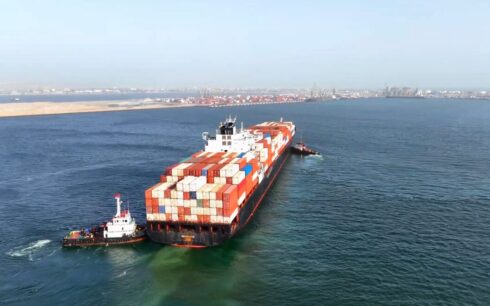
While Pakistan has allowed deportation to continue through Torkham and Spin Boldak, trade activity remains frozen. The Afghanistan Chamber of Commerce and Investment warned that the closure could cost the two countries an estimated $200 million per month in combined trade losses. Afghanistan imports about $150 million worth of goods from Pakistan monthly and exports around $60 million.
Pakistan’s Foreign Ministry has said the crossings will not reopen fully until its ongoing security review is complete. However, the border closure has also begun to impact markets inside Pakistan, especially in frontier regions reliant on cross-border trade.
The reopening of the crossings — or lack thereof — is likely to be influenced by the outcome of the third round of high-level talks between Pakistan and the Taliban, set to begin Thursday in Istanbul. The negotiations follow two previous rounds that ended without a breakthrough, as tensions continue to simmer over cross-border militancy and demands for greater cooperation on security.