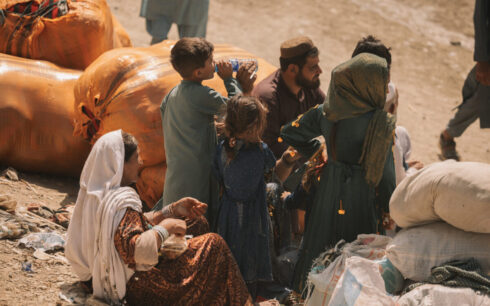
Amidst a surge in crackdown by Pakistani police on Afghan migrants, figures by the Taliban-run commission for refugees show that at least 8,000 immigrants were expelled from Pakistan on Sunday, Oct 27, marking one of the highest daily deportation figures in recent months.
The commission said the migrants were deported through the Spin Boldak and Bahramcha border crossings in southern Afghanistan.
The surge in deportations follows a sharp deterioration in relations between Pakistan and Taliban after eight days of cross-border fighting earlier this month. In the aftermath, Pakistan’s prime minister ordered security agencies to intensify efforts to remove undocumented Afghan nationals.
Simultaneously, Iranian authorities also expelled 480 Afghan nationals on Sunday through the Islam Qala and Pul-e-Abrisham border crossings, according to the Taliban commission. These expulsions included both voluntary and forced returns.
Iran, like Pakistan, has continued mass deportations of Afghan migrants, citing concerns over unregulated labor and border security. Majid Ahmadi, Director-General of Foreign Nationals and Immigrants Affairs in Iran, recently announced that the entry of Afghan laborers will now be permitted only via work visas issued by the Iranian Embassy in Kabul, under direct supervision by Iranian employers.
Ahmadi outlined the new visa requirement as part of the so-called “Kafeel” or sponsorship system, a formal employment mechanism long used by Gulf states. In a recent meeting with local officials, Ahmadi claimed the system would benefit not only workers but also employers and Iranian society more broadly.
Under the plan, employers must register through Iran’s Ministry of Labor website, upload necessary documents, and apply for authorization to employ Afghan workers in labor-intensive and hazardous sectors. Once approved, the appropriate permits would be issued.
Rights groups and humanitarian organizations have raised repeated concerns about the forced return of Afghan migrants, many of whom face risk of persecution, economic destitution, or lack of shelter upon return.