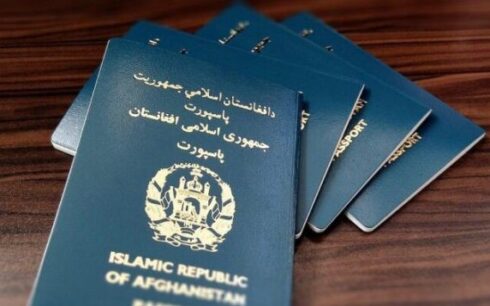
Afghan migrants in Pakistan are being forcibly deported without being allowed to collect their belongings, and are being held in overcrowded, unsanitary camps for extended periods, a senior Taliban official has warned, as Pakistani authorities intensify a sweeping crackdown on undocumented Afghans.
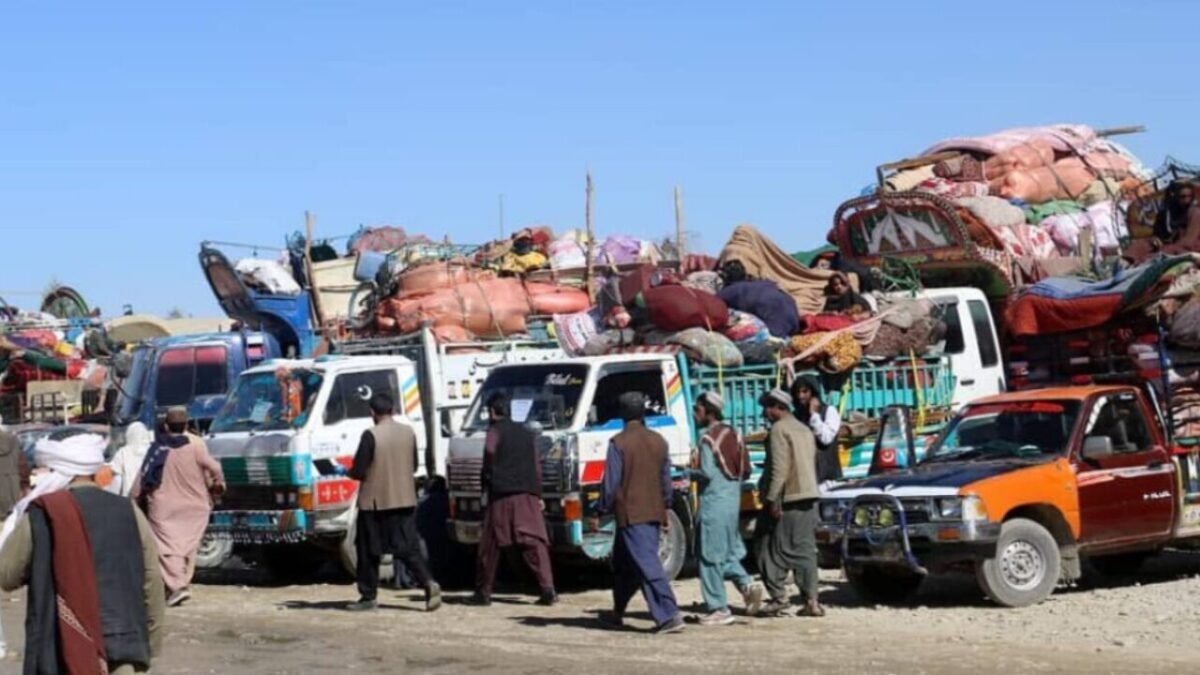
Abdul Jabar Takhari, the Taliban’s senior consul in Pakistan, told Amu TV on Friday that the mass deportation campaign, underway since early October, has sharply escalated. He said Pakistani police have been forcibly evicting Afghan migrants from homes and shelters, often without notice or permission to gather personal property and valuables.
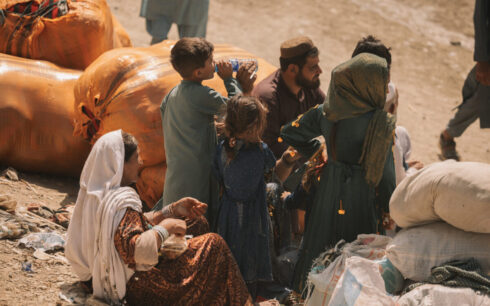
“The deportation process is accelerating,” Takhari said. “Migrants are being expelled while their belongings remain behind. The camps where they are held are in extremely poor condition. People are kept there for weeks, facing severe shortages of food, sanitation, and shelter.”
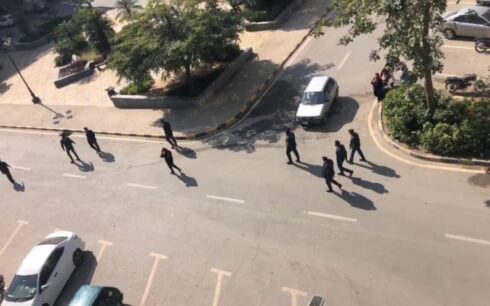
His comments come amid a broader enforcement drive launched by the Pakistani government following border clashes with Taliban forces in September. On orders from Prime Minister Shehbaz Sharif, authorities have stepped up home raids, street-level identity checks, and detentions of Afghans lacking valid residency documents. The policy applies to individuals regardless of age, gender, or reason for entry into Pakistan.
Though Pakistan has long hosted millions of Afghan refugees — many of them displaced by decades of conflict — the current crackdown is seen as unprecedented in scale and urgency, with widespread reports of harassment, extortion, and arbitrary detention.
Afghan migrants interviewed in recent days say the Pakistan police have intensified arrests, particularly in urban centers such as Karachi, Quetta, and Islamabad. Some report being asked to pay bribes in exchange for release or to avoid deportation.
Among those at risk is Fahima, a women’s rights activist who said she fled to Pakistan after participating in protests in Kabul. She is now facing forced return, despite fears of persecution under Taliban rule.
“I left because I was threatened,” she said. “If I’m deported back to Afghanistan, I fear I won’t survive.”
Many Afghans currently in Pakistan had arrived in recent years after the Taliban’s return to power in August 2021, including journalists, former Afghan security personnel, and human rights defenders. Thousands are still waiting for third-country resettlement through programs run by the United Nations, the United States, and European governments.
But according to migrants and rights advocates, the Pakistani government has suspended all visa extensions for Afghans for more than six months, leaving tens of thousands in legal limbo. Without documentation, even those seeking asylum or waiting for international relocation are now considered unlawful residents, vulnerable to arrest and deportation.
“This policy shift has put entire families — especially those already at risk — in immediate danger,” said an Afghan journalist currently in Islamabad, who requested anonymity for fear of arrest.
International organizations and refugee agencies have warned that mass deportations of vulnerable Afghans — particularly women, activists, and former government workers — violate international norms, including the principle of non-refoulement, which prohibits returning individuals to places where they face serious threats to their life or freedom.
As the humanitarian fallout deepens, aid groups have reported a growing crisis at border camps, where deported Afghans — many of whom spent years or even decades in Pakistan — arrive without food, money, or housing.
In recent weeks, human rights organizations have called on Pakistan to pause the deportations and allow time for screening, due process, and international coordination, especially for those already approved for resettlement abroad.
But for now, the campaign continues.
“All five crossings are active for deportation,” Takhari said. “And people are being sent back — not just without their belongings, but with no place to return to.”