Residents of Afghanistan’s western Farah province say worsening unemployment is forcing many to seek illegal routes into Iran in search of work — even after being previously deported.
Several recently returned migrants said they face dire economic conditions at home and feel they have no choice but to attempt the dangerous journey again.
“No one hires us. I’ve been standing on the roadside for two and a half months looking for work, but nothing,” said Noor Wali Hotak, a Farah resident who was deported from Iran three months ago. “Like me, there are thousands here trying to raise money to pay smugglers. In Iran, my children could study. Here, they have no future.”
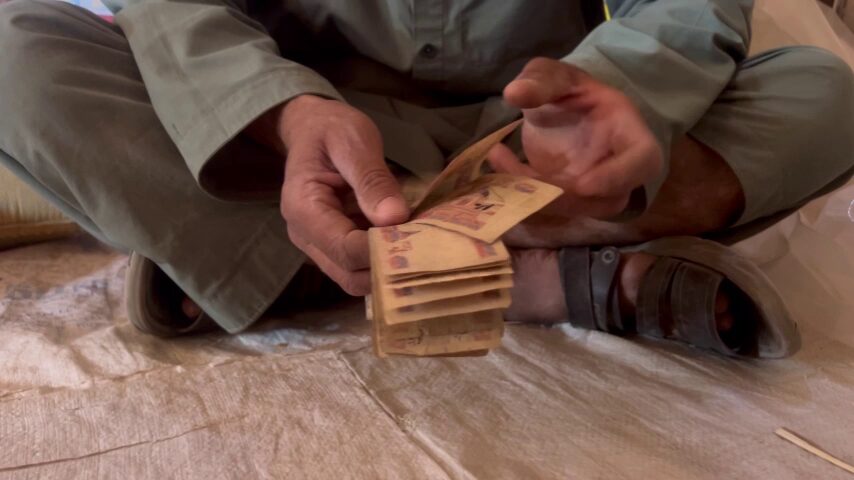
Others echoed similar frustrations, saying they are willing to work for as little as 100 to 200 afghanis per day (roughly $1–2), but no jobs are available. They blame the lack of government support and say even seasonal farming jobs are scarce.
Khudadad, another resident of Farah, said employment opportunities vanish after the wheat harvest season. “We’re ready to work even for 100 afghanis a day, but there is no work. And we’re not given visas to go to Iran either. The labor office is of no help,” he said.
Some workers urged humanitarian organizations and government authorities to provide assistance, especially for vulnerable groups including widows, orphans and disabled individuals.
“Daily labor doesn’t cover living expenses,” said Obaidullah, a local worker. “The government should support poor families and those unable to work.”
Farah province, located near the Iranian border, is heavily reliant on agriculture. But for many without access to farmland, unemployment is worsening — driving a growing number of people to attempt irregular migration despite the risks.