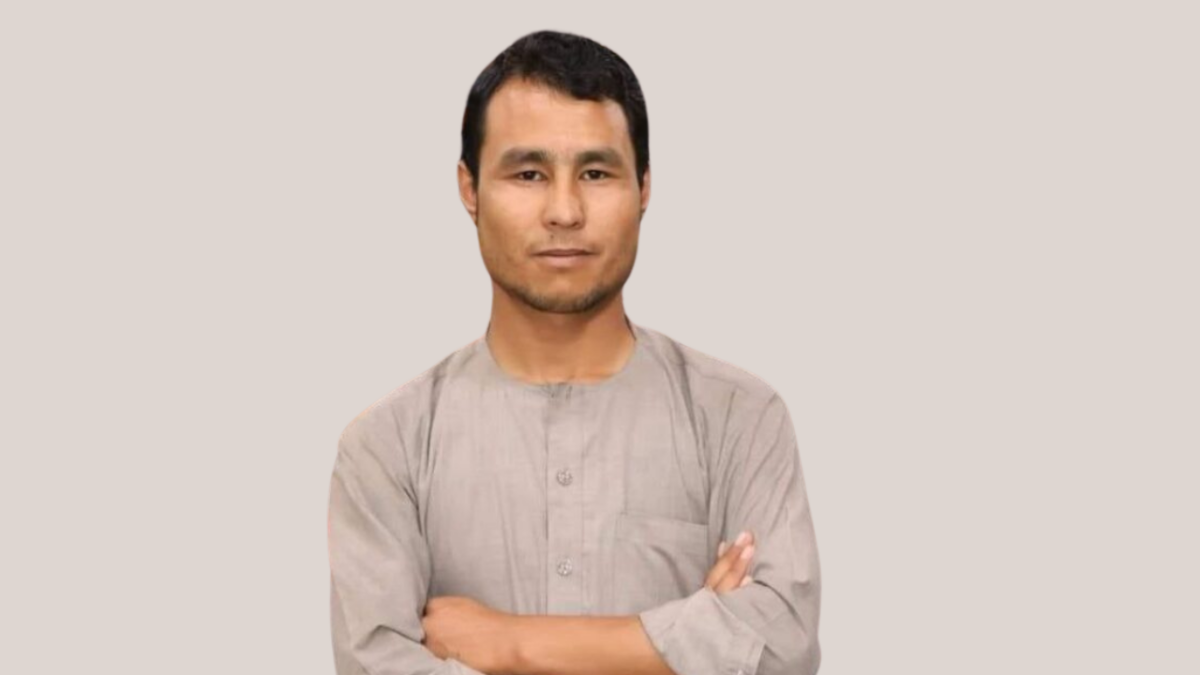
Amnesty International has called on the Taliban to immediately and unconditionally release Afghan journalist Mahdi Ansari, who has been in Taliban custody for nearly a year.
In a statement, Amnesty said the Taliban must end what it described as an “organized campaign” against Ansari and other independent journalists, adding that the Taliban’s judicial system has become a tool of repression against the media and critics.
“The Taliban’s judicial system has turned into an instrument to silence anyone who dares to criticize their decrees and policies,” the statement read. “Through arbitrary arrests, forced confessions, and unlawful detentions, the Taliban have stifled journalists and dissenting voices. No journalist should be imprisoned for doing their professional duty. Mahdi Ansari must be released immediately and unconditionally.”
Ansari, a reporter known for his work with outlets operating outside Afghanistan, was detained by Taliban intelligence agents on Oct. 5, 2024, on charges of collaborating with foreign media. He was later sentenced by the Taliban’s Supreme Court to 18 months in prison.
The statement follows the release two days ago of a video showing Ansari’s so-called confession, broadcast by a media outlet linked to Taliban intelligence. Afghan and international press freedom groups condemned the video as coerced and in violation of international human rights standards.
Media rights organizations and civil society activists have repeatedly accused the Taliban of waging a systematic campaign against journalists. Najib Paikan, a civil society activist, said the Taliban have detained or threatened dozens of reporters in the past four years on accusations of cooperating with international media or criticizing the authorities.
“The Taliban have imposed harsh restrictions on journalists and media organizations, shutting down independent outlets and spreading fear through arbitrary arrests,” Paikan said.
Press freedom groups say the Taliban have also banned the broadcasting of live images of people and animals in at least 18 provinces, including Kandahar, and have imposed strict censorship across the country.
Rights advocates warn that such policies, coupled with recent nationwide internet shutdowns ordered by Taliban authorities, have further stifled access to information and created a climate of fear among Afghan journalists.