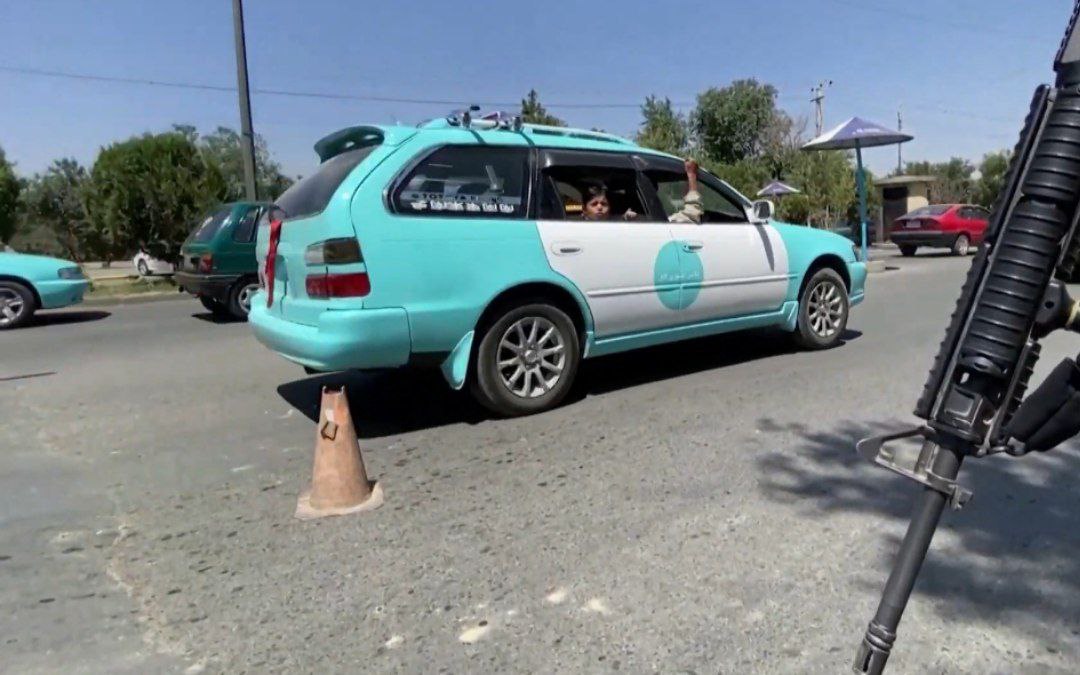
Worsening unemployment in Afghanistan is driving young people, including university graduates, into informal work, with taxi driving in Kabul emerging as one of the few remaining options. But drivers say the job comes with daily struggles that reflect the country’s economic collapse.
Congested roads, broken infrastructure and poor traffic management already make life difficult. On top of that, taxi drivers say they are under pressure from Taliban traffic authorities, who impose arbitrary fines, demand costly vehicle repaints and enforce strict appearance rules.
“In the past, the Ministry of Transport gave us bills to pay,” said Naeem, a driver in Kabul. “Now they issue tax booklets requiring monthly payments. What used to be 700 afghanis is now 1,200 — and fuel prices are higher too.”
“People don’t have money anymore,” added Naveed, another driver. “Before, passengers would hire rides easily. Now no one takes a taxi unless it’s urgent. Traffic police don’t bother private cars, but they constantly harass taxis.”
Experts say the Taliban’s approach has deepened drivers’ hardships. Mohammad Nabi Afghan, the former deputy head of the Transport Companies Coordination Council, said rules like repainting taxis should have been phased in with tax breaks or financial support. “With so many vehicles in the city, enforcing new rules all at once is impossible,” he said.
Since the Taliban takeover in 2021, Afghanistan’s economy has spiraled, with jobs vanishing, poverty spreading and inflation eroding incomes. For Kabul’s taxi drivers, the squeeze is especially stark: fewer passengers, higher costs and new taxes — but no benefits in return.