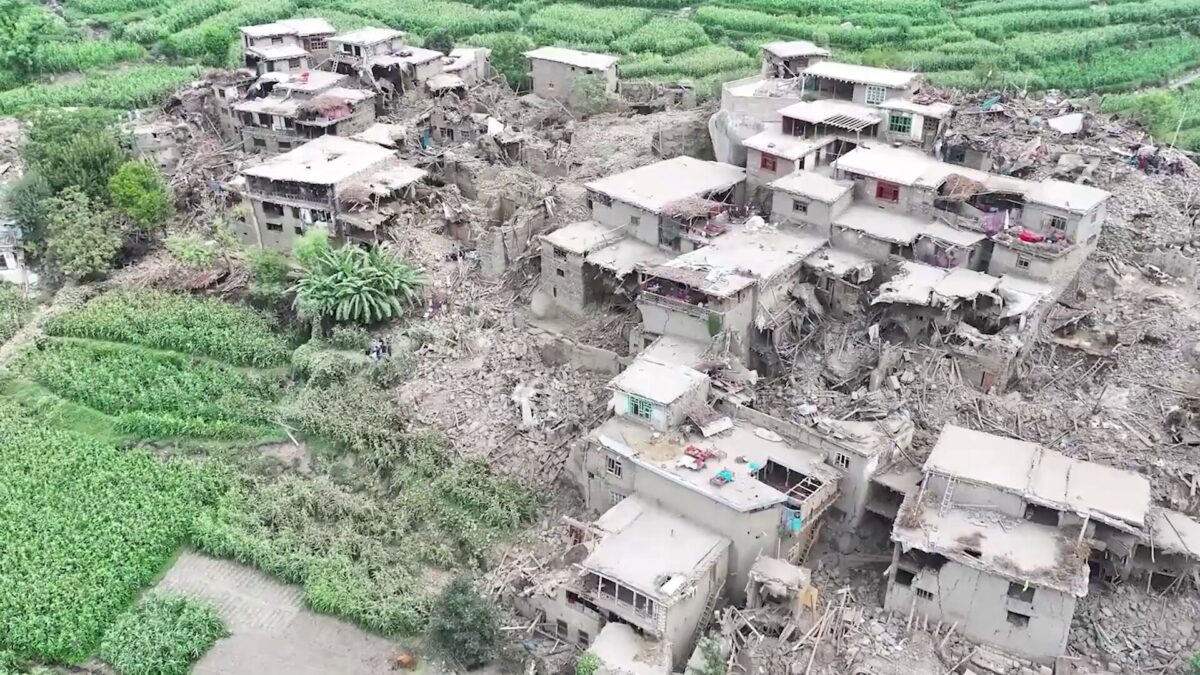
Residents of Kunar province say emergency aid has yet to reach many survivors of the deadly earthquake that struck eastern Afghanistan, leaving families without food or medical assistance.
Survivors in Nurgal district and Mazar Dara said they have received no bread or health services since the quake flattened villages on Sunday night. “We have had no food, no doctors. No one has helped us,” one survivor told Amu. Another said Taliban vehicles and staff from some organizations had visited, “but not a single plane with aid has come, even though there are many places to land.”
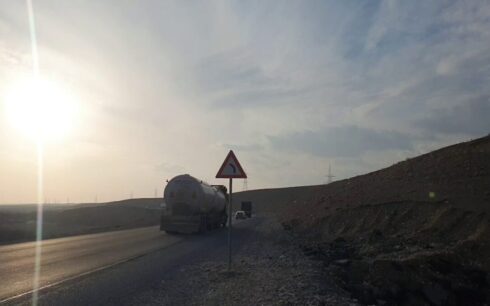
Local residents said blocked roads have made it impossible to bring out bodies, with families carrying their dead on foot for burial. “All the roads are closed. The government has no means here to help. Even for moving bodies, people are struggling,” one man said.
Amnesty International said Taliban restrictions — including bans on women working — have hindered aid groups. The rights organization called on the Taliban to lift bureaucratic barriers, ensure humanitarian access and guarantee that relief is delivered without discrimination.
“The Taliban must address the needs of affected communities and ensure that search and relief efforts are conducted without discrimination,” Amnesty said, urging special measures to protect vulnerable groups, especially women and girls.
The U.N. has pledged $5 million from its emergency fund for survivors but warned current humanitarian financing is insufficient. Britain has committed more than $1.3 million in aid, while Iran has delivered 80 tons of flour and cooking oil. Iranian envoy Alireza Bikdeli traveled to Kunar on Tuesday to oversee aid distribution.
The 6.0-magnitude earthquake struck Kunar late Sunday, killing more than 1,400 people and injuring over 3,100, according to Taliban officials. At least 5,400 homes were destroyed. Smaller numbers of casualties were reported in Nangarhar, Laghman and Nuristan, while Panjshir sustained property damage.
Hospitals in Kunar remain overwhelmed. Witnesses described mass burials and said homeless children have been forced to sleep outside. Survivors also face difficulties due to the lack of female doctors, leaving many injured women without treatment.