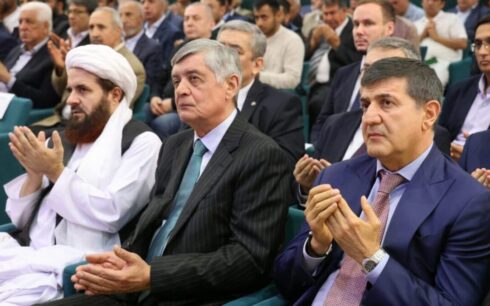
Taliban held a gathering at the Interior Ministry on Tuesday to mark the Aug. 15 anniversary of their return to power, but their Interior Minister Sirajuddin Haqqani was absent, multiple sources told Amu. The sources added that Haqqani has traveled to Kandahar where Taliban leaders are holding a meeting and are expected to return to Kabul soon.
The sources said the Taliban plan to hold their main Aug. 15 ceremony on Friday at the Loya Jirga hall in Kabul, during which flowers will be dropped from helicopters over the capital.
Earlier, sources told Amu that preparations for this year’s anniversary in Bagram appear more modest than in previous years. They said recent remarks by President Trump — calling for the return of American military equipment left behind in Afghanistan — have influenced the Taliban’s decision-making, casting doubt over whether to hold their usual military parade.
One source added that a Pakistani delegation has advised the Taliban to skip the parade this year to avoid straining ties with Washington.
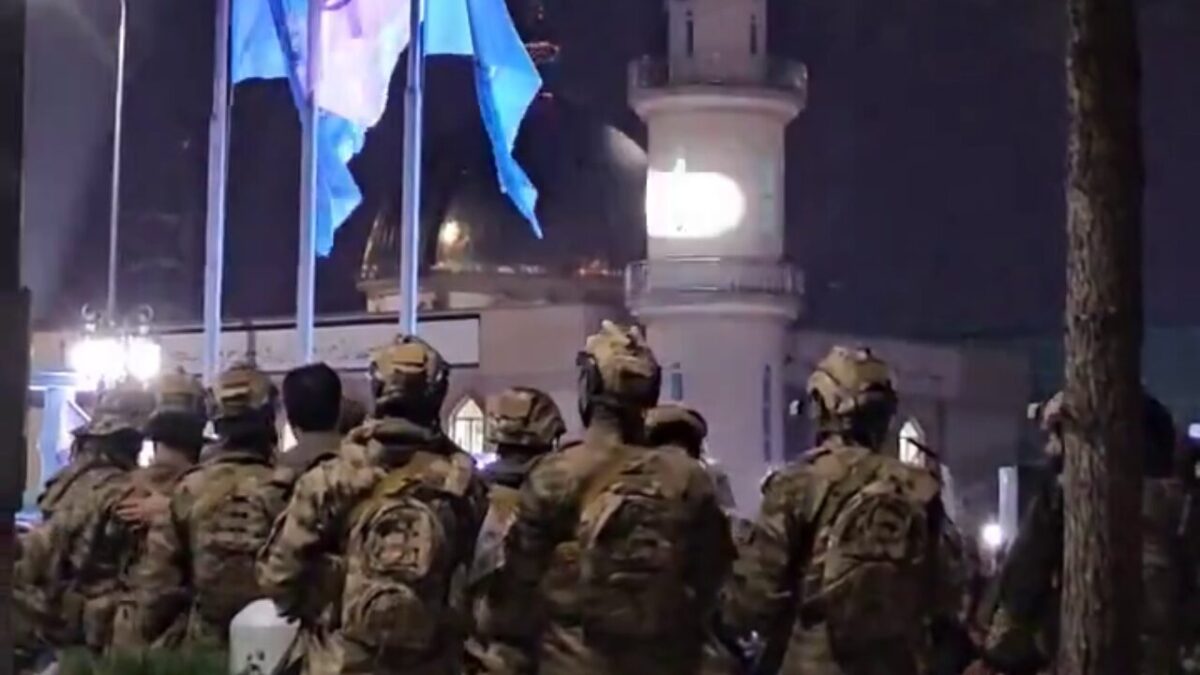
For the past three years, the Taliban have marked the anniversary with a military parade at Bagram airfield. It remains unclear whether such an event will be held this year.
On Aug. 15, 2021, the Taliban seized power following the withdrawal of foreign forces. In the four years since, Afghanistan has faced multiple crises, including intensified human rights violations.
A United Nations report says economic hardship, unemployment and hunger have worsened over the past four years, with more than half of Afghanistan’s population in need of humanitarian assistance this year.
The report also notes that the Taliban have maintained bans on secondary and high school education for girls, prohibited women from attending universities, and imposed sweeping restrictions on women’s work, leisure and movement.
The Taliban administration has not been formally recognized by any country except Russia. The international community has made recognition conditional on the group’s respect for women’s and girls’ rights, protection of ethnic and religious minorities, and the severing of ties with terrorist organizations, including al-Qaida.