Women and girls in Afghanistan remain especially vulnerable, and more than half of the country’s population is in need of life-saving assistance four years after the Taliban’s return to power, the United Nations said.
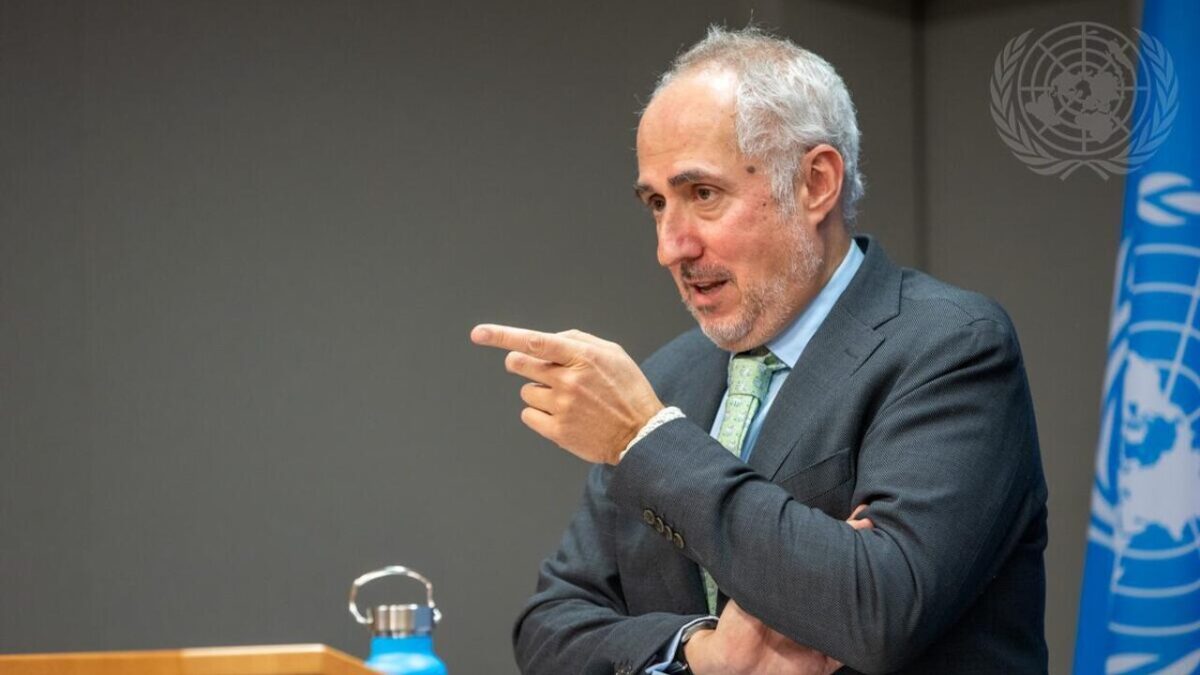
UN spokesperson Stéphane Dujarric told reporters this week that the Taliban have imposed a set of restrictive policies that bar women and girls from education, the workforce and public life.
“Humanitarian assistance for women and girls — who otherwise have no access to essential services and support — is a lifeline,” Dujarric said. “The continued presence of humanitarian workers in Afghanistan is itself a vital form of support.”
Citing the UN Office for the Coordination of Humanitarian Affairs (OCHA), he warned that rising numbers of returnees from neighboring countries are deepening the crisis. Since the start of this year, 1.7 million Afghans have returned from Iran and Pakistan, most with limited ties to local communities and struggling to find shelter and economic opportunities.
Host communities inside Afghanistan also lack adequate services and resources, Dujarric said. To help meet these needs, the UN Central Emergency Response Fund recently allocated $10 million, with additional funding from the Afghanistan Humanitarian Fund under review.
“Following severe funding cuts, more resources are urgently needed to ensure people’s needs are met,” he said.
Humanitarian groups are also preparing for another wave of returnees after Pakistan set a Sept. 1 deadline for Afghans holding temporary registration cards to leave the country.
Meanwhile, nearly all provinces in Afghanistan have experienced below-average rainfall this year, with drought warnings issued across the north, northeast, central highlands and western regions, according to OCHA.
Dujarric said Afghanistan’s Humanitarian Response Plan for this year remains critically underfunded, with only $624 million received of the $2.4 billion required — just 25 percent of the total.