As the fourth anniversary of the Taliban’s return to power approaches, many girls in central Afghanistan’s Daikundi province say they have been stripped of even the most basic Islamic rights, including education.
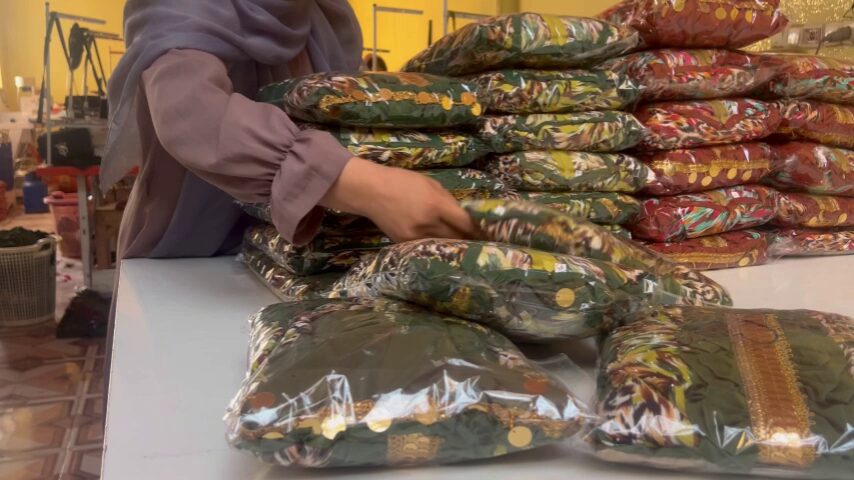
Several girls in the provincial capital of Nili told Amu TV they have been barred from attending school due to directives issued by Taliban leadership. In response, some have turned to small businesses—selling clothing and headscarves—as a way to support themselves and their families.
Zahra Jafari, once a medical student at Kabul University, said her dreams of becoming a doctor were abruptly halted when the Taliban banned women from universities. Forced to return to Daikundi, she began sewing and selling garments to stay productive and financially afloat.
“I had prepared myself to become a doctor. I even learned first aid,” Jafari said. “But the Taliban took that right away from us. They told us, in an Islamic country, we don’t have the right to education. To maintain my mental balance and stand on my feet, I chose to work.”
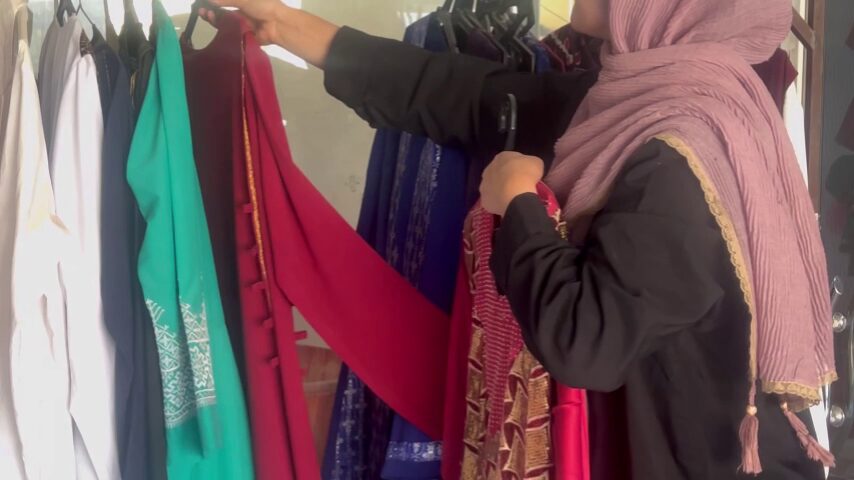
Jafari’s story mirrors that of many girls in Daikundi who once aspired to higher education but now find themselves behind market stalls instead of school desks.
“Our biggest wish is for schools to reopen,” said Guzida Baqeri, a high school student before the Taliban barred girls from secondary education. “It’s a serious issue, and we ask that they let us return to class.”
Rahila Mohammadi, another former student, expressed similar frustration. “It’s been four years since schools were closed to us,” she said. “Now I’m doing a job I don’t even like, just to survive.”
Women across Afghanistan say the past four years under Taliban rule have brought increasing darkness and deprivation. Denied work, barred from classrooms and excluded from public spaces, many say their lives have been reduced to a daily struggle for dignity and survival.