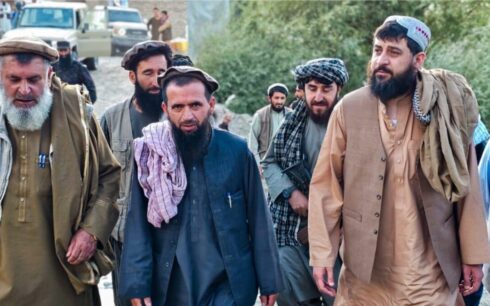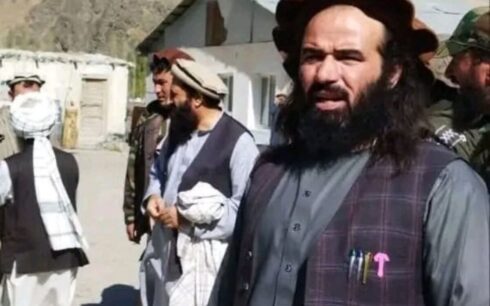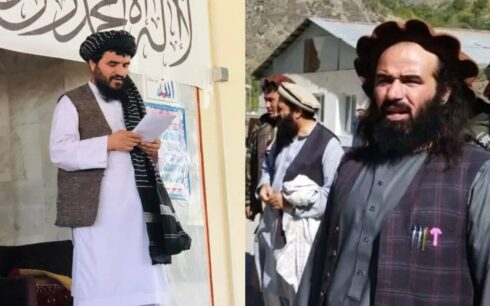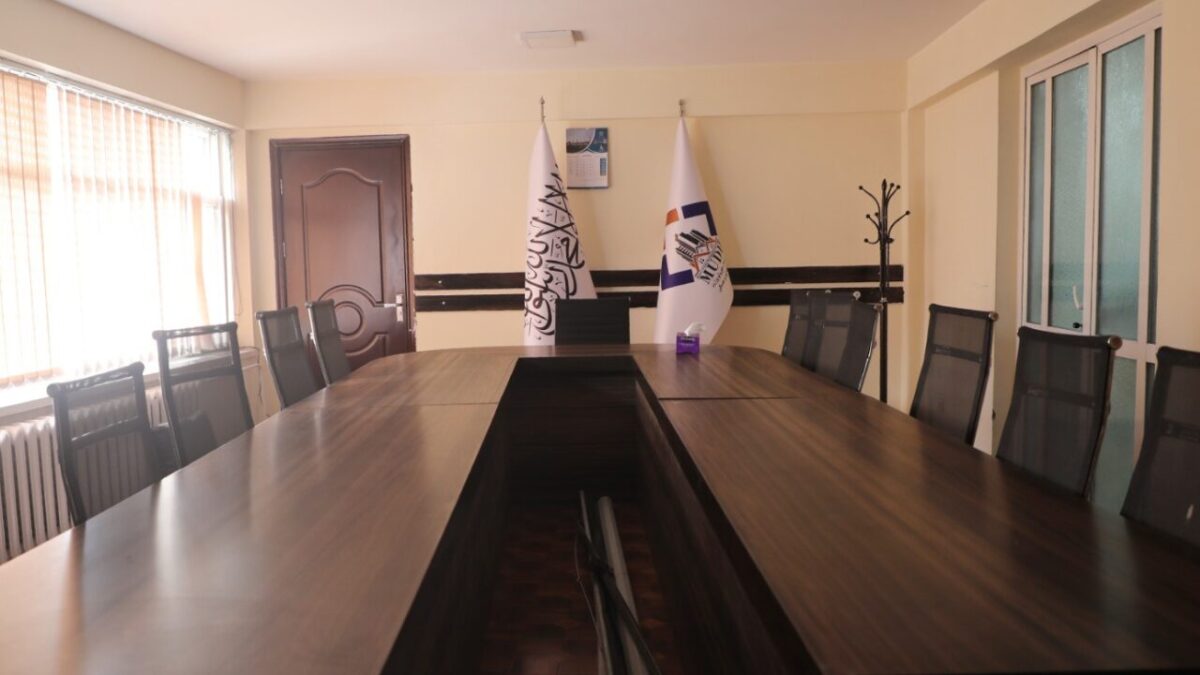
Five Taliban-run ministries have stopped publishing images of their officials at public events, citing the Taliban’s morality law that bans the display of living beings, according to a review of websites and social media accounts.
Amu TV found that the Taliban Ministry for the Promotion of Virtue and Prevention of Vice, the Taliban Ministry of Justice, the Taliban Ministry of Higher Education, the Taliban Ministry of Finance, and the Taliban Ministry of Urban Development and Housing no longer share photos or videos of their officials. Instead, they post pictures of empty chairs, flags or meeting halls.
The rule stems from Article 17 of the Taliban’s law on the Promotion of Virtue and Prevention of Vice, which prohibits images of living beings. But not all ministries are enforcing it. Eighteen others, including the Taliban Defense Ministry led by Mohammad Yaqoob Mujahid and the Taliban Interior Ministry led by Sirajuddin Haqqani, continue to release photos and videos of their activities.
The Taliban Education Ministry, headed by Habibullah Agha, has taken a middle path. Its official accounts avoid images of officials but frequently share video clips from the personal account of ministry spokesman Mansoor Ahmad Hamza to highlight the ministry’s work.
Agha, the Taliban acting education minister, was sanctioned by the European Union in July 2023 for serious rights violations against women and girls. Born in Kandahar’s Arghandab district in 1954, he studied at Pakistan’s Darul Uloom Haqqania seminary and has held various judicial and religious posts in past Taliban governments.
Analysts say the inconsistent approach reflects internal divisions. “The Taliban are not united on this issue,” said researcher Abdul Ahad Farzam. “They sometimes use images when it serves their interests, despite the restrictions.”
Senior Taliban leaders also differ. Deputy Prime Ministers Abdul Ghani Baradar and Abdul Salam Hanafi allow their images to be published, while Prime Minister Mohammad Hassan Akhund is occasionally shown in state media, particularly during meetings with foreign dignitaries. By contrast, Mohammad Khalid Hanafi, acting minister for the Promotion of Virtue and Prevention of Vice, and Abdul Hakim Haqqani, head of the Taliban Supreme Court, avoid publishing personal images altogether.
Critics argue that withholding officials’ images undermines transparency and erodes public trust in governance.