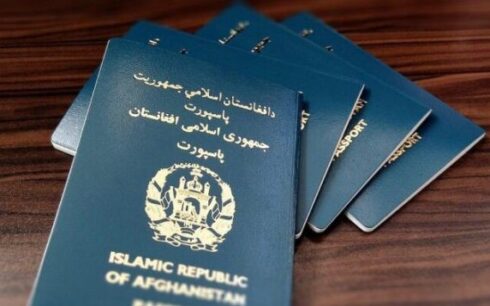
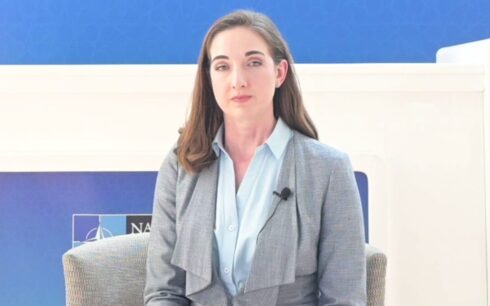
Senator Scott Wiener of California sharply criticized President Trump’s plan to end protections for Afghan refugees and others living in the United States under Temporary Protected Status, calling the move “illegal and despicable.”
Speaking at a gathering in California, Wiener, who chairs the Senate Budget Committee, said Trump had unlawfully sought to strip tens of thousands of immigrants of their legal status, including people from Central America, Ukraine, Afghanistan and Syria — many of whom, he noted, have lived in the country for decades.
“Trump illegally revoked immigration status for tens of thousands of people who have TPS from Central America, Ukraine, Afghanistan, Syria and other regions experiencing violence and instability,” Wiener said. “Many of them have lived here for decades. It’s despicable.”
Wiener pledged to stand with Afghan refugees and other migrants against what he described as a “fascist police state” being constructed under Trump’s leadership. “I am here in full solidarity with the TPS community and, more broadly, the immigrant community against this fascist police-state government they are building,” he said.
He added that many Californians were not fully aware of the fear and intimidation that immigrant communities were facing in Southern California. “There is a campaign of terror being waged against immigrants,” he said. “We will not simply stand by as Trump’s immigration officers come into California and attack our neighbors. These are our neighbors. They pay taxes, they work, they are building our communities, and they came here to build a better life. The way this country is treating them is unacceptable.”
The Department of Homeland Security recently announced that protections for several groups of refugees, including Afghans, had expired and that those affected would be required to leave the United States.
Advocacy groups warn that among them are Afghans who fought alongside American forces during the two-decade war in Afghanistan, or who provided critical support to the U.S. mission there. Many of those families, they argue, face grave risks if forced to return.