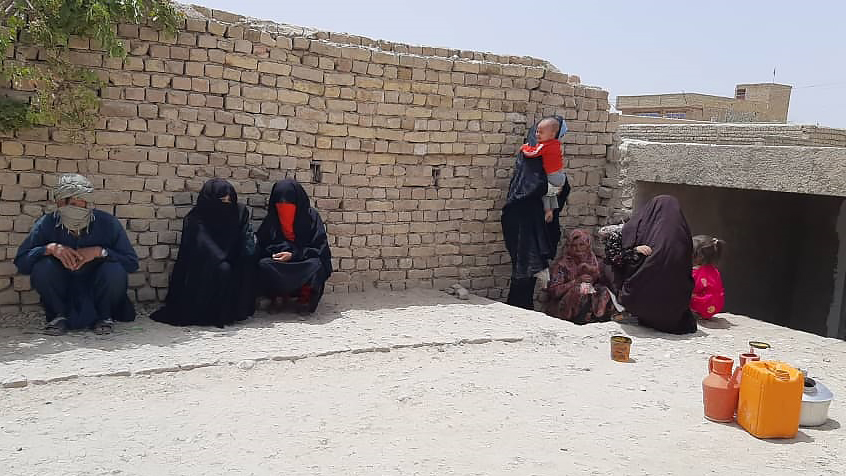
The United Nations has launched a $23 million joint initiative to support returnees, internally displaced persons (IDPs), and communities affected by displacement in Kunduz and Baghlan provinces, as Afghanistan continues to face rising humanitarian needs amid large-scale returns and internal displacement.
The project, known as PAIDAAR (Participatory Action for Integrated Developmental Assistance to Areas of Return), was officially launched on Sunday by Indrika Ratwatte, Deputy Special Representative of the Secretary-General and UN Resident and Humanitarian Coordinator for Afghanistan, during a ceremony in Kunduz attended by UN officials, civil society leaders, and community representatives.
“This joint initiative is essential for ensuring the sustainable reintegration of returnees and meeting the recovery needs of people across the country,” Ratwatte said. “It’s designed to bring real, lasting improvements to the lives of returnees and the communities that welcome them.”
PAIDAAR is a collaborative effort led by the International Organization for Migration (IOM), UNDP, UN-Habitat, and UNHCR, with funding from the Special Trust Fund for Afghanistan (STFA). The STFA contributed $15.8 million, with the total project budget reaching $23.01 million, thanks to additional funding from the participating UN agencies.
Over the next 24 months, the project will operate across 11 communities in Kunduz and Baghlan, focusing on key priorities including housing and basic services, disaster-resilient infrastructure, livelihoods and economic recovery, community inclusion and governance, legal identity and land rights and mine risk education.
Through community-led planning and implementation, the project aims to strengthen long-term resilience by forming Local Implementation Committees and developing Community Action Plans. These local platforms are intended to ensure transparency, ownership, and inclusive decision-making.
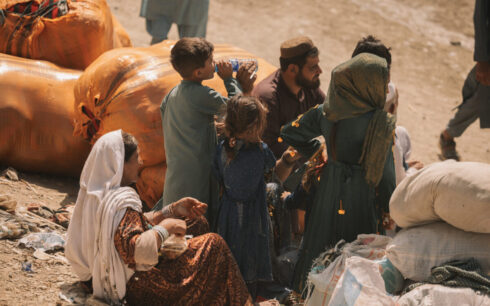
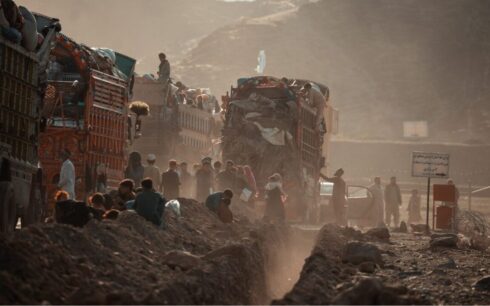
The initiative comes at a time when northern Afghanistan is absorbing tens of thousands of returnees from Iran and Pakistan, while also coping with prolonged internal displacement and chronic underinvestment in essential services.
“Returnees bring valuable skills, experiences, and networks,” Ratwatte said. “By supporting housing, job creation, and long-term employment, this project fosters reintegration that enables returnees to become drivers of positive change.”
One project beneficiary, Habibullah Khan, from Kunduz, praised the initiative: “We are grateful for introducing durable solutions that will change lives.”
The UN and its partners say the project reflects a growing commitment to locally led, sustainable recovery, with a focus on promoting dignity, stability, and hope in communities hardest hit by Afghanistan’s ongoing humanitarian crisis.