More than a week after the Taliban carried out a series of arrests targeting women and girls in several parts of the capital, families say they remain in the dark about the whereabouts and condition of their loved ones — heightening fears over their safety and well-being in detention.
“We have had no contact, no updates, and no idea where our daughters are being held,” said one father, whose daughter was arrested while returning from a private class in western Kabul. “We just want to know if she’s alive, if she’s okay.”
The women, reportedly arrested by the Taliban’s Ministry for the Promotion of Virtue and Prevention of Vice, were detained in various neighborhoods of Kabul, including Qala-e-Fathullah, Shahr-e-Naw and Dasht-e-Barchi. Eyewitnesses and former detainees say women were taken from salons, the streets, and even small gatherings — often without explanation or formal charges.
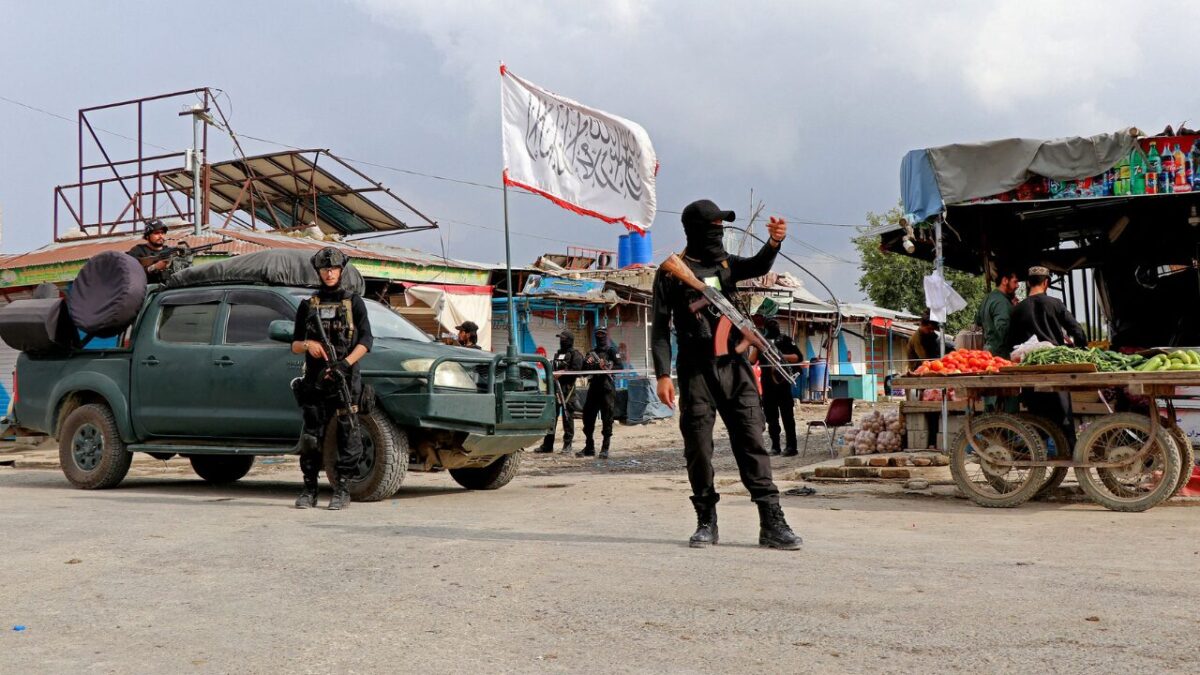
Taliban have not publicly acknowledged the arrests. When contacted, officials from the Taliban’s virtue ministry denied that any women were in custody. However, footage reviewed by Amu shows Taliban vehicles transporting women in custody, while former detainees recount being held for hours before being released with warnings.
Those released say the conditions were degrading. “They insulted us and threatened our families,” said one young woman who was freed after eight hours in detention. “They said if we leave our homes without a male guardian again, they will imprison us for good.”
Some families who attempted to intervene say they were also mistreated. “My husband went to the office to ask for our daughter,” said one mother. “They yelled at him and told him to teach his daughter how to behave.”
Rights groups and activists say the current wave of detentions, and the Taliban’s refusal to inform families or provide legal process, reflect a broader pattern of institutionalized intimidation and gender repression.
“This is not just about arbitrary detention — it’s about terrorizing women and silencing families,” said Sara Lotfi, a Kabul-based women’s rights advocate. “The psychological damage is immense, especially when families don’t know if or when their daughters will return.”
Since returning to power in 2021, the Taliban have systematically restricted women’s freedoms, barring them from education, public-sector jobs, and long-distance travel without a male guardian. The lack of transparency around the recent arrests, advocates say, marks a further erosion of legal protections and basic accountability under Taliban rule.