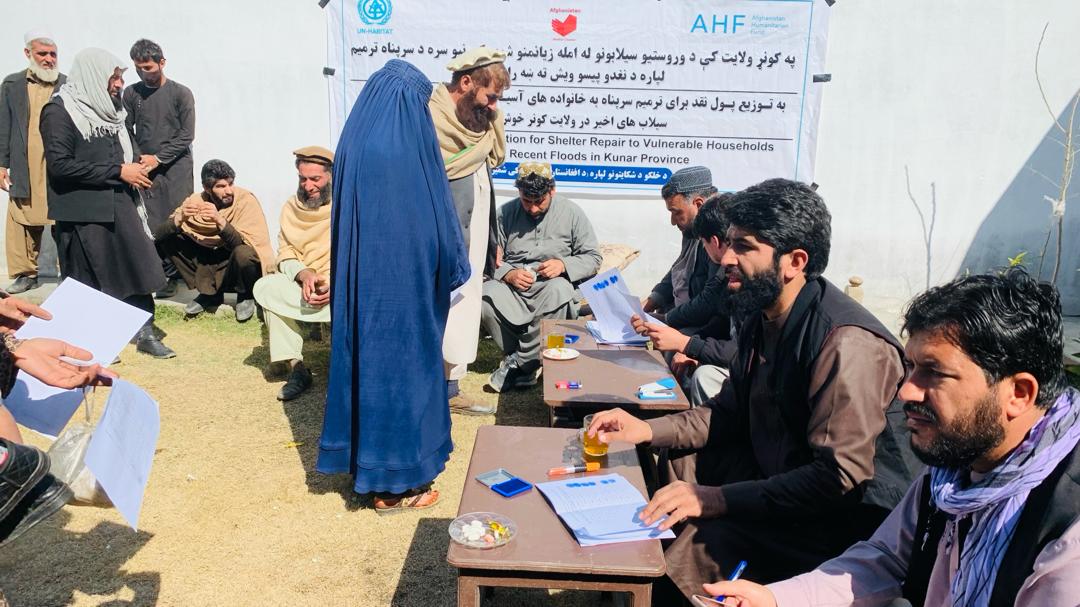
The operational environment for humanitarian agencies in Afghanistan has become “severely constrained” due to increasing interference and violence by the Taliban, the United Nations Office for the Coordination of Humanitarian Affairs (OCHA) said in a new report.
According to OCHA, incidents of violence and interference affecting humanitarian work in June rose by 13 percent compared to May, and by 35 percent over the same period in 2024. The data underscores what the agency described as a deteriorating climate for aid operations in the country.
The report documents three cases of violence against humanitarian personnel, assets, and facilities during June alone. Among them, two aid workers were detained by Taliban forces while facilitating a meeting for female relief workers.
From January to June 2025, a total of 100 humanitarian personnel — including 31 women — were detained by Taliban authorities, the report states. Many of these incidents were linked to the activities of Taliban’s Ministry for the Promotion of Virtue and Prevention of Vice.
“These arrests and threats continue to pose serious risks to the safety, security, and psychological well-being of humanitarian staff,” the report said. It also noted 13 incidents explicitly related to gender, disproportionately affecting women working in humanitarian operations.
OCHA further reported seven incidents involving movement restrictions, most of them occurring at Taliban checkpoints, which led to the cancellation or delay of planned missions.
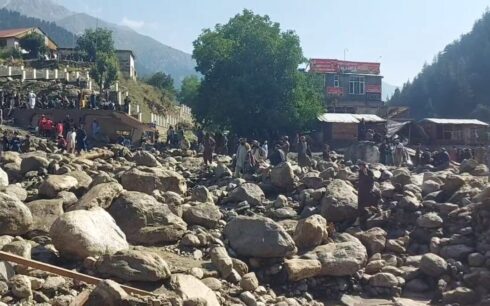
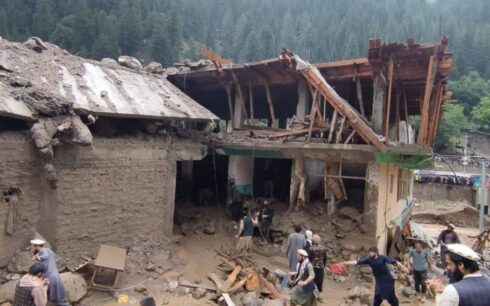
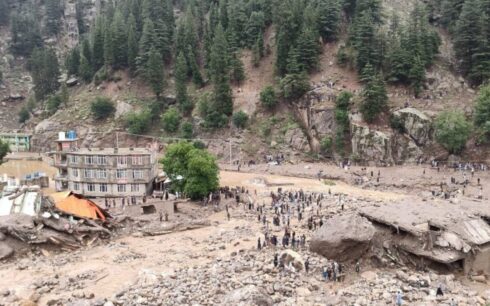
In addition to human interference, OCHA cited environmental conditions — including heavy rainfall — as contributing to reduced access and operational delays in affected regions.
The agency said that Taliban interference remained a significant obstacle to humanitarian delivery throughout the past month. Reported challenges include delays or complications in signing memorandums of understanding, interference in beneficiary selection and staff recruitment, demands for staff lists and sensitive data, taxation of cash assistance, enforcement of dress codes, and restrictions on both female participation in humanitarian work and female beneficiaries’ access to aid.
According to the report, 87 percent of all access-related incidents recorded in June were attributed to the Taliban.
OCHA warned that such interference is severely undermining the ability of aid organizations to reach people in need, particularly women and vulnerable populations.