Nooruddin Azizi, the Taliban’s minister of industry and commerce, said Saturday that Afghanistan’s total trade volume has reached approximately $13 billion, despite mounting complaints from citizens over poverty, joblessness, and a contracting economy.
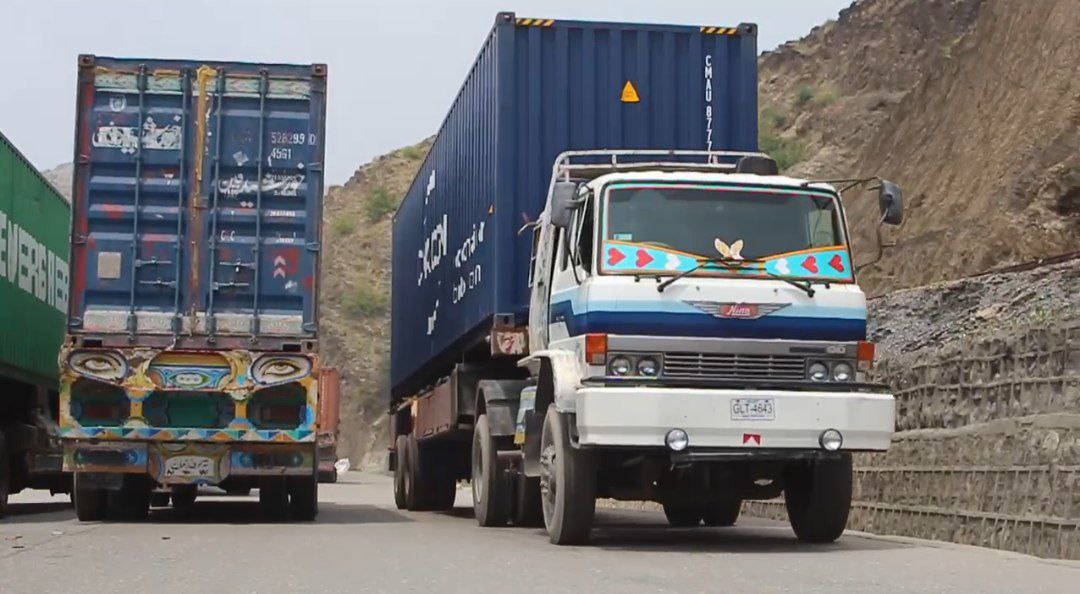
Speaking at a one-year performance review in Kabul, Azizi claimed that 8 million metric tons of goods were transited through Afghanistan over the past year.
He added that the country’s gross domestic product has grown by 10 percent, while overall trade increased by 10 percent and exports rose by 25 percent.
Azizi said the ministry aims to attract $500 million in investment in the coming year and create more than 100 new job opportunities.
The remarks come as many Afghans say economic conditions continue to deteriorate under Taliban rule, with unemployment widespread and poverty deepening.
Numerous former civil servants and workers say they lost their jobs following the Taliban’s return to power in 2021, and complain of limited opportunities in a shrinking formal economy.
Meanwhile, trade between Afghanistan and Pakistan — historically one of Afghanistan’s largest partners — has declined sharply. Pakistani media reported earlier this year that annual bilateral trade has dropped from $2.5 billion to about $1 billion, citing ongoing border closures and a lack of coordination on trade policy.
Zia-ul-Haq Sarhadi, deputy head of the Pakistan-Afghanistan Joint Chamber of Commerce and Industry, warned that continued disruptions could severely damage economic ties between the neighboring countries. Pakistan exports goods such as cement, rice, pharmaceuticals, flour, sugar, and vegetables to Afghanistan, while Afghan exports to Pakistan primarily consist of fresh fruits and agricultural produce.
Observers say ongoing political instability in Afghanistan, along with repeated tensions at key border crossings, has hampered the flow of commerce and stymied recovery efforts for the country’s already fragile economy.