UN human rights experts, including special rapporteur Richard Bennett, on Friday condemned the mass forced returns of Afghan nationals from Iran and Pakistan, calling the scale of deportations “staggering” and warning that Afghanistan remains unsafe for returnees, nearly four years after the Taliban seized power.
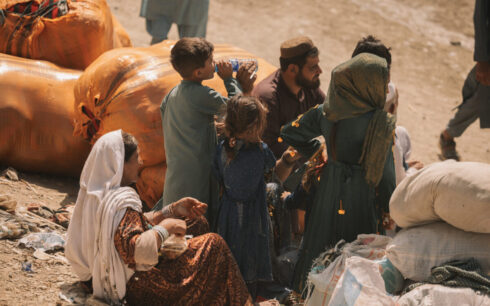
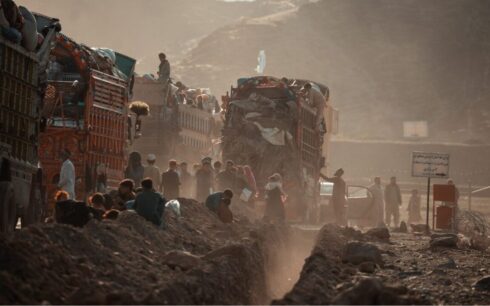
In a sharply worded statement, the experts said more than 1.9 million Afghans have returned or been forcibly returned in 2025 alone, including over 1.5 million from Iran and more than 300,000 from Pakistan. Since June 24, at least 410,000 Afghans have been deported from Iran, many of them unaccompanied children. The pace of returns has accelerated following heightened regional tensions linked to the Iran-Israel conflict.
“Returns must be halted immediately,” the experts said. “Afghanistan is not a safe country for returnees, given the constantly deteriorating human rights situation since the Taliban seized control.”
The experts warned that returnees—many of them refugees—face real threats of persecution, violent reprisals, and severe hardship. They pointed to growing dangers for former government employees, security personnel, human rights defenders, journalists, and members of ethnic and religious minorities.
Particular concern was raised over the plight of women, girls, and gender-diverse individuals. “Women and girls are systematically deprived of their fundamental rights, while LGBT persons face criminalisation,” the statement said. It also noted that the International Criminal Court last week issued arrest warrants for two senior Taliban leaders for crimes against humanity on gender and political grounds.
“No government should ignore these very real dangers in Afghanistan – doing so would constitute an abandonment of their moral and legal responsibility,” the experts warned.
They emphasized that many deportations may violate the international principle of non-refoulement, which prohibits returning individuals to a country where they face threats to their life or freedom. The experts also noted that many Afghan nationals have not received fair or individualized assessments of their protection needs.
“We are concerned that more States are considering deporting Afghans, while some have halted or suspended resettlement programs, leaving vulnerable individuals—including those already approved for relocation—in limbo,” they said.
With more than four million Afghans internally displaced due to conflict and natural disasters, the experts called for expanded resettlement options, humanitarian assistance, and support for reintegration efforts.
They also expressed alarm over the separation of families and the specific risks faced by women, especially single mothers and those without a male guardian (mahram). Taliban restrictions on female aid workers, they said, have made conditions even more perilous.
Calling on UN Member States to increase funding and international protection, the experts said: “Afghanistan’s returnees need more than just a place to land—they need safety, dignity, and a future.”