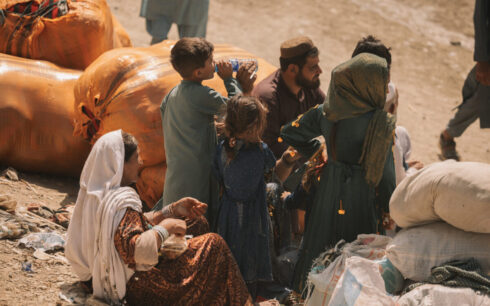
A new assessment by Islamic Relief has found that the urgent needs of Afghans deported from Iran are exacerbating the ongoing humanitarian crisis in western Afghanistan, as thousands arrive at the border daily with no access to basic necessities.
The organization conducted the assessment on July 4 and 5 at the Islam Qala border crossing in Herat Province, interviewing a sample of recently returned migrants—48 percent of them women and 52 percent men.
According to the report, 88 percent of returnees lack access to safe and adequate drinking water, while 83 percent reported being unable to obtain health services. All participants cited a shortage of essential non-food items such as blankets, kitchen utensils, and clothing. In addition, 68 percent of families said they had no income to support their livelihoods.
Islamic Relief warned that the returnees’ needs in areas such as shelter, healthcare, food security, education, protection, and income generation are placing growing pressure on an already overstretched humanitarian response.
“These findings are essential for understanding the current situation and challenges facing returnees from Iran,” the organization said in its report. “We hope this data will support local authorities, humanitarian partners, and donors in making informed decisions to ensure a coordinated and dignified reintegration process.”
The warning comes amid a sharp rise in deportations. The U.N. High Commissioner for Refugees (UNHCR) recently reported that an average of 50,000 Afghans are being deported daily from Iran.
UNHCR’s office in Afghanistan also warned that up to three million Afghans may return by the end of the year, a development the agency said could place “immense strain” on the country’s fragile humanitarian infrastructure.
With most returnees arriving to limited or no support, humanitarian agencies are urging urgent international funding and coordination to prevent further deterioration in conditions on the ground.