The needs of returnees are outpacing the capacity of aid organizations to respond, the Norwegian Refugee Council (NRC) said Thursday, warning that mass deportations from Iran and Pakistan are pushing Afghanistan’s fragile humanitarian system to the brink.
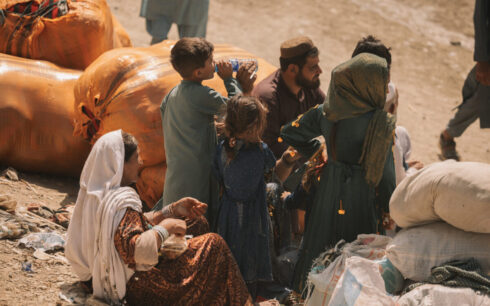
“Support for returnees has surpassed what humanitarian actors can provide,” NRC said in a statement, citing the scale and pace of returns in recent weeks. Over 1.4 million people have returned to Afghanistan so far in 2025, including more than 1 million from Iran, according to UNHCR data. The daily number of arrivals surged following June 13, peaking on July 1, when 43,000 people were recorded at the border.
“We are seeing families arrive exhausted and distressed to a country that has very limited capacity to support and reintegrate them,” said Jacopo Caridi, NRC’s Country Director in Afghanistan. “The scale of needs is exceeding the current resources.”
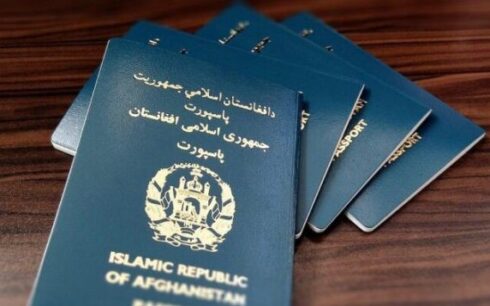
Many returnees arrive with no belongings, often after living in Iran for decades or being born there. They are in urgent need of shelter, food, water, healthcare, education, and legal documentation. NRC teams in western Afghanistan report that local systems are overwhelmed, and while communities have shown solidarity — with some aid workers hosting families in their homes — the situation is deteriorating fast.
“If current trends continue, Afghanistan could see over three million returnees by the end of 2025,” Caridi warned, calling on the international community to step in and prevent further suffering and instability.
NRC also urged countries to halt involuntary returns, saying conditions in Afghanistan do not meet minimum standards for safe or dignified repatriation. “We also call for greater international responsibility-sharing,” Caridi added, “and for sustained support to host countries like Iran, which now hosts the world’s largest Afghan refugee population.”
Afghanistan is already grappling with deep humanitarian challenges. The UN estimates that 22.9 million people need assistance in 2025, but the humanitarian response plan is only 22 percent funded. The regional refugee response plan is even lower, with just 19 percent of needs met.
NRC concluded by warning that the combination of forced returns, reduced donor support, and strained local infrastructure could result in a major humanitarian breakdown if left unaddressed.